
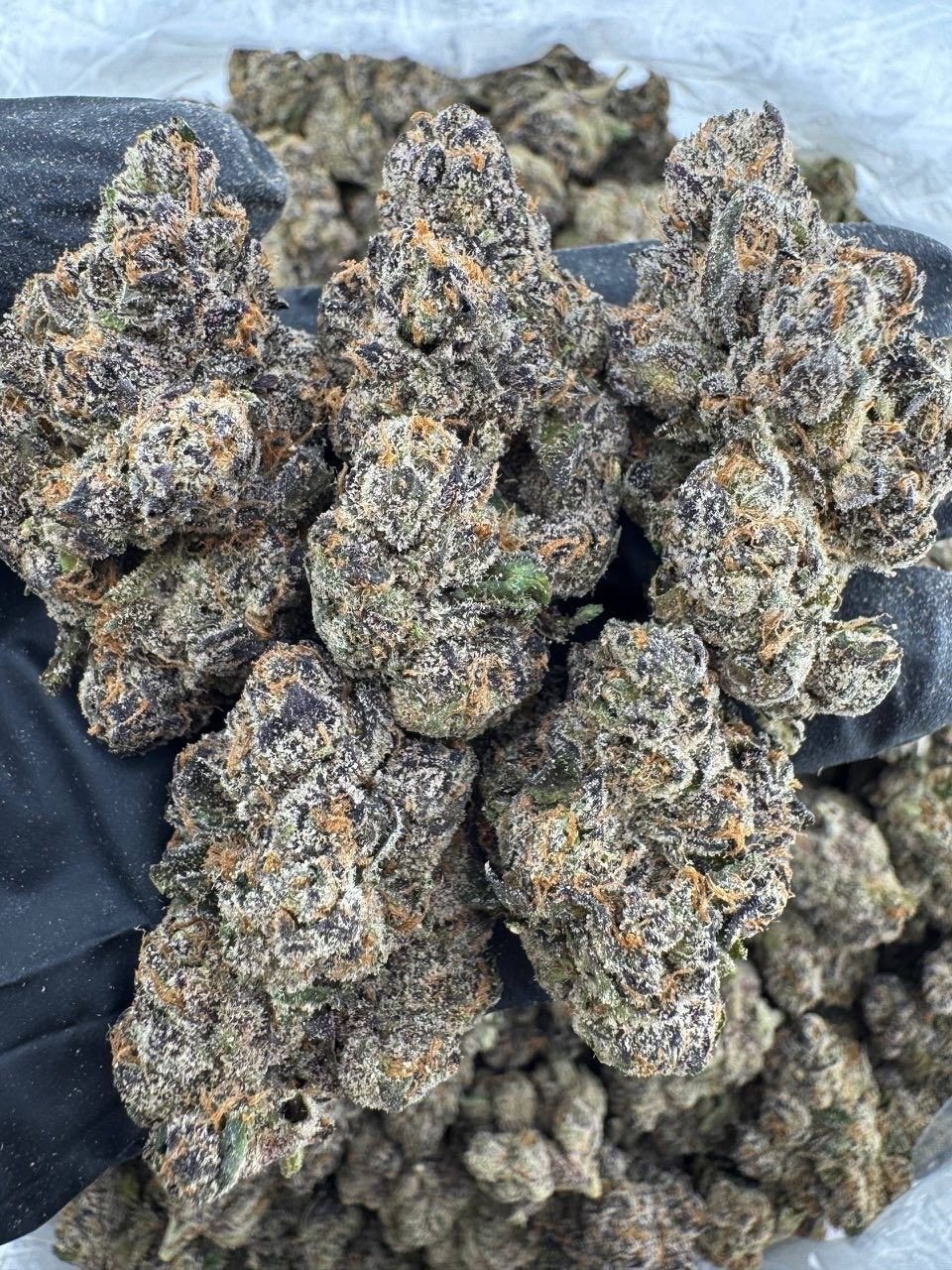
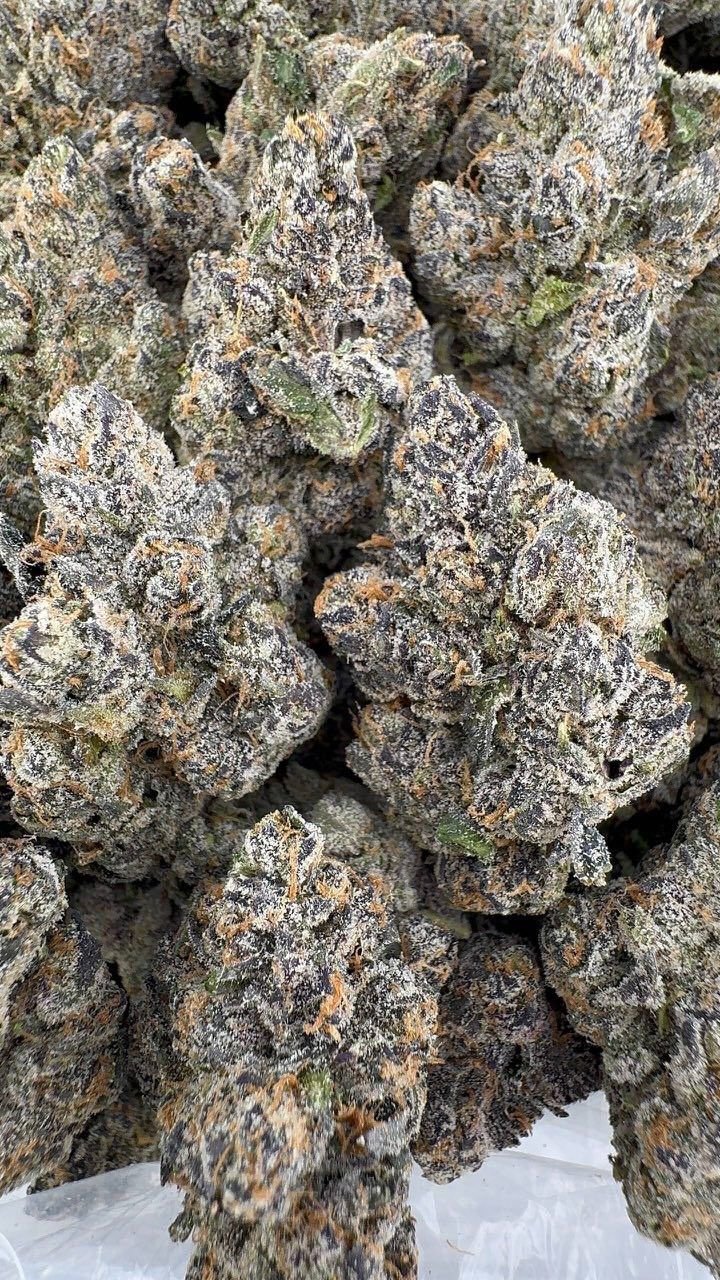


Frozen Berries
Price range: $200.00 through $950.00
Frozen berries are fresh including strawberries, blueberries, raspberries, blackberries, and mixed varieties — that undergo rapid freezing shortly after harvest.-picked fruits — i This process locks in their peak flavor, color, texture, and nutritional value.
The Ultimate Guide to Frozen Berries: Benefits, Nutrition, Recipes, Buying Tips, and Everything You Need to Know
Frozen berries have become a kitchen essential for health-conscious people, busy families, and home cooks worldwide. They offer the vibrant taste of summer all year round, delivering exceptional nutrition, convenience, and versatility without the high cost or quick spoilage of fresh berries. Whether you add them to smoothies, bake them into pies, or sprinkle them over breakfast bowls, frozen berries make healthy eating simple and delicious.
This comprehensive guide covers every important aspect of frozen berries. From their production process and nutritional science to health benefits, recipe ideas, buying advice, sustainability, and expert tips, you’ll find everything needed to make the most of this superfood. Optimized with key headings and in-depth information, this resource helps you understand why frozen berries deserve a permanent spot in your freezer.
What Are Frozen Berries? A Complete Introduction
Frozen berries are fresh including strawberries, blueberries, raspberries, blackberries, and mixed varieties — that undergo rapid freezing shortly after harvest.-picked fruits — i This process locks in their peak flavor, color, texture, and nutritional value. The most widely used method is Individually Quick Frozen (IQF), which freezes each berry separately so they don’t clump together, allowing easy scooping of exact portions.
Unlike canned fruits packed in syrup or dried berries that lose moisture and some nutrients, frozen berries stay close to their natural state. Producers typically harvest them at perfect ripeness, when sugar levels, acidity, and beneficial compounds reach their highest points. Freezing happens within hours of picking, preserving qualities that might diminish during long-distance shipping of fresh berries.
Key Advantages of Frozen Berries
- Available year-round regardless of season
- Significantly lower cost per serving than fresh berries out of season
- Minimal food waste since you use only what you need
- Ready to use with no washing or stemming required
- Excellent for smoothies, baking, sauces, and meal prep
- Retain high levels of vitamins, antioxidants, and fiber
Berries rank among the most nutrient-dense foods. They are low in calories yet rich in fiber, polyphenols, anthocyanins, and essential vitamins. Freezing extends their benefits to people in every climate and every budget, supporting goals from better immunity to improved heart health.
The Science Behind Freezing Berries: IQF Process Explained
The IQF process sets commercial frozen berries apart from ordinary home-frozen produce. Berries are harvested, gently sorted to remove any unripe or damaged fruit, washed carefully, and then exposed to extremely cold temperatures in a short time. This rapid freezing prevents large ice crystals from forming inside the berry cells, which helps maintain structure and reduces mushiness when thawed.
Typical IQF Production Steps
- Harvest at peak ripeness — usually early morning when berries are cool and firm.
- Immediate transport to processing facility.
- Sorting, cleaning, and quality inspection.
- Rapid freezing using cold air blast or liquid nitrogen systems reaching minus 30 degrees Fahrenheit or lower within minutes.
- Packaging into consumer bags or bulk containers under strict hygiene standards.
This technology preserves cellular integrity far better than slow freezing. Scientific comparisons often show that frozen berries, harvested ripe and frozen quickly, can match or exceed the nutrient levels of fresh berries that have spent days or weeks in transit and supermarket displays.
Home freezing follows similar principles but on a smaller scale. The fast-freeze capability of modern freezers helps, but commercial IQF remains the gold standard for texture and consistency.
Nutritional Powerhouse: Detailed Breakdown of Frozen Berries
Frozen berries deliver impressive nutrition in every handful. Because they are frozen at peak ripeness, they capture maximum vitamins and antioxidants that might otherwise decline in fresh produce during storage.
Approximate Nutrition Facts per 100 grams of Mixed Frozen Berries
- Calories: 35–55
- Carbohydrates: 8–15 grams (mostly natural sugars)
- Dietary Fiber: 2.5–6 grams
- Protein: 0.7–1.2 grams
- Fat: Very low, under 0.5 grams
- Vitamin C: 20–80 mg (especially high in strawberries)
- Potassium: 100–220 mg
- Manganese, folate, and various B vitamins
- Powerful antioxidants including anthocyanins, ellagic acid, quercetin, and catechins
Specific Profiles of Popular Frozen Berries
Frozen Strawberries: Famous for high vitamin C content, often surpassing oranges on a weight basis. They also provide manganese for bone health and folate important for cell function. Their bright red color comes from anthocyanins with strong antioxidant power.
Frozen Blueberries: Often called a superfood due to exceptionally high anthocyanin levels. These compounds support brain health, cardiovascular function, and may help fight oxidative stress. Wild blueberries typically contain even denser nutrients than cultivated varieties.
Frozen Raspberries and Blackberries: Stand out for their fiber content, sometimes reaching 6–8 grams per cup. This makes them excellent for digestive health and blood sugar stability. They contain ellagic acid, a compound studied for its potential protective effects against cellular damage.
Research consistently shows that the freezing process causes minimal nutrient loss. In many cases, levels of vitamin C, vitamin E, and various polyphenols remain stable or become more accessible because freezing breaks down cell walls slightly, improving bioavailability when consumed.
Evidence-Based Health Benefits of Frozen Berries
Antioxidant Protection and Reduced Inflammation
Berries consistently rank at the top of antioxidant food lists. Regular consumption helps neutralize free radicals that contribute to aging and chronic conditions. The anti-inflammatory effects may benefit joints, metabolic health, and overall vitality.
Heart Health Support
The combination of soluble fiber, potassium, and polyphenols helps maintain healthy cholesterol levels, supports blood vessel function, and may contribute to better blood pressure regulation. Population studies link higher berry intake with improved cardiovascular outcomes.
Brain Function and Cognitive Protection
Blueberries, in particular, have earned the nickname “brain berries.” Their unique compounds can cross the blood-brain barrier and support memory, learning, and protection against age-related decline. Adding frozen blueberries to daily routines offers an easy way to nourish the brain.
Blood Sugar Management
Despite their natural sweetness, berries have a relatively low glycemic impact. The fiber slows sugar absorption, making them suitable for people monitoring blood glucose. Studies show improved post-meal responses when berries are included in meals.
Digestive and Gut Health
High fiber content acts as a prebiotic, feeding beneficial gut bacteria while promoting regular bowel movements. Raspberries and blackberries are especially effective due to their seed content and mix of soluble and insoluble fiber.
Immune System Boost
Strawberries provide a significant vitamin C boost that supports white blood cell activity and collagen production for skin and tissue health. During cold and flu season, frozen berries offer convenient immune-friendly additions to teas and smoothies.
Potential Cancer-Fighting Properties
Laboratory and observational research highlights the role of berry phytochemicals in inhibiting certain cellular processes linked to cancer development. While not a cure, berries form a valuable part of an overall protective dietary pattern.
Weight Management Advantages
Low in calories but high in volume and fiber, frozen berries promote satiety and can replace higher-calorie snacks. A berry smoothie feels indulgent while supporting calorie control.
Skin Health and Anti-Aging
Antioxidants help protect against environmental damage while vitamin C supports natural collagen production. Many people notice improved skin glow with consistent berry consumption.
Eye Health Benefits
Compounds like lutein, zeaxanthin, and anthocyanins contribute to visual function and may protect against strain from screens and aging eyes.
These benefits become even more practical because frozen berries require no preparation, encouraging daily use.
Frozen Berries vs Fresh Berries: Honest Comparison
Many people assume fresh berries are always superior, but the reality is more nuanced. Fresh berries taste wonderful when perfectly ripe and locally picked, but those conditions are rare for most consumers.
Frozen berries are harvested at true peak ripeness, while many supermarket fresh berries are picked earlier to survive shipping. Nutrient degradation begins immediately after harvest, so “fresh” berries that traveled thousands of miles may have lower vitamin levels by the time they reach your table.
Cost and Convenience: Frozen berries usually cost less per usable serving and eliminate washing, sorting, and spoilage waste. They excel in blended and baked applications where texture differences disappear.
When to Choose Each:
- Use fresh berries when they are in season locally and perfectly ripe.
- Rely on frozen berries for consistency, value, and nutrition during off-seasons or for everyday use.
- Many experts recommend a combination approach for optimal results.
In blind taste tests and nutritional analyses, frozen berries frequently perform as well as or better than fresh-stored options for most practical purposes.
Popular Types of Frozen Berries and Their Best Uses
Strawberries: Sweet-tart flavor makes them ideal for desserts, sauces, and smoothies. Their size and color add visual appeal.
Blueberries: Hold their shape better than many other berries when baked. Perfect for muffins, pancakes, and oatmeal.
Raspberries: Delicate and fragrant. Excellent in chia jams, vinaigrettes, and as toppings.
Blackberries: Bold, earthy flavor with pleasant seed crunch. Great in crumbles and savory glazes.
Mixed Berry Blends: Provide balanced nutrition and flavor variety. The best choice for beginners and daily smoothies.
Specialty options like frozen cherries or cranberries expand possibilities for holiday recipes and functional drinks.
Choosing organic frozen berries minimizes pesticide exposure, especially important for items consumed frequently.
How to Freeze Berries at Home: Step-by-Step Guide
Freezing your own berries is straightforward and economical during peak season.
- Select ripe but firm berries without bruises.
- Rinse gently under cool water if needed. Avoid soaking.
- Pat completely dry with paper towels — moisture causes ice crystals and clumping.
- Arrange in a single layer on a parchment-lined baking sheet.
- Place in the freezer for 2–4 hours until solid (flash freezing).
- Transfer to freezer-safe bags or containers, removing as much air as possible.
- Label with date and contents. Store at 0°F or below for best quality.
Storage Times: Use within 8–12 months for peak flavor, though properly frozen berries remain safe longer. For baking, you can freeze with a light sugar coating. Thaw in the refrigerator to preserve texture or use straight from frozen in most recipes.
Buying Guide: How to Choose Quality Frozen Berries
Look for these quality indicators when shopping:
- Clear packaging that shows loose, individual berries rather than a solid block
- Vibrant color with minimal ice crystals or frost (excess frost suggests thawing and refreezing)
- No added sugars or syrups unless specifically desired
- Organic certification or trusted sourcing information
- Recent harvest or production dates when available
Store brands from major retailers often match premium quality while offering better value. Buy in bulk for better pricing and repackage into smaller portions at home.
Storage Tips: Maintain consistent freezer temperature. Keep berries in original packaging or airtight containers. Avoid repeated thawing and refreezing.
Delicious Frozen Berry Recipes for Every Occasion
Classic Mixed Berry Smoothie Combine 2 cups frozen mixed berries, 1 ripe banana, 1 cup Greek yogurt or plant-based alternative, 1 cup milk of choice, and a handful of spinach. Blend until creamy. Add protein powder or chia seeds for extra nutrition. This provides balanced macros and keeps you full for hours.
Berry Overnight Oats Mix ½ cup rolled oats, 1 cup milk, 1 cup frozen berries, 1 tablespoon chia seeds, and a touch of honey or maple syrup. Refrigerate overnight. The berries thaw naturally and create natural sweetness and vibrant color.
Easy Berry Crumble Place 4 cups frozen mixed berries in a baking dish with lemon zest and a sprinkle of sugar. Top with a mixture of oats, flour, butter, brown sugar, and cinnamon. Bake at 375°F for 35–45 minutes until bubbly and golden. Serve with yogurt or ice cream.
No-Churn Berry Nice Cream Blend 4 cups frozen berries with 2–3 frozen bananas and a splash of milk or coconut cream. Process until smooth and creamy. This healthy alternative to ice cream satisfies sweet cravings with fruit only.
Berry Chia Jam Simmer 2 cups frozen berries with 2–3 tablespoons chia seeds, lemon juice, and optional sweetener for 10–15 minutes. Cool and store in the refrigerator. Perfect on toast, in yogurt, or as a pancake topping. No pectin required.
Additional Recipe Ideas:
- Berry protein pancakes
- Baked oatmeal with berry swirl
- Berry balsamic vinaigrette for salads
- Frozen berry compote for cheesecake or pork
- Immune-boosting berry ginger tea
- Berry muffin batter using frozen fruit
- Layered yogurt parfaits for meal prep
- Berry-infused overnight chia pudding
- Savory berry sauces for grilled chicken or salmon
- Holiday berry cobblers and pies
Each recipe adapts easily for vegan, gluten-free, keto, or high-protein versions. Frozen berries release juices beautifully during cooking, creating natural sauces without extra work.
Meal Prep Tips: Prepare smoothie packs with frozen berries and other ingredients in individual bags. Make large batches of chia jam or compote for the week. Freeze portions of baked goods containing berries for quick snacks.
Sustainability and Environmental Considerations
Frozen berry production can reduce overall food waste since berries that might spoil in transit are preserved. Modern facilities focus on energy-efficient freezing and water conservation. Supporting brands that use regenerative agriculture, fair labor practices, and minimal packaging helps maximize positive impact.
Consumers can contribute by buying in bulk, using reusable freezer containers, and incorporating frozen berries to reduce reliance on out-of-season imported fresh produce.
Common Myths About Frozen Berries Debunked
Myth 1: Frozen berries lose most nutrients. Reality: Nutrient retention is excellent, often better than fresh berries stored for days.
Myth 2: They contain too much sugar. Reality: Natural fruit sugars come with fiber that moderates blood sugar response.
Myth 3: Texture is always mushy. Reality: Proper IQF berries maintain good texture, especially when used frozen in recipes.
Myth 4: Fresh is always healthier. Reality: Depends on freshness and handling. Frozen often wins for everyday nutrition.
Frequently Asked Questions About Frozen Berries
Can I eat frozen berries directly from the bag? Yes, though they are very cold. Many enjoy them as a refreshing snack, especially in summer.
How long do frozen berries last? Optimal quality lasts 8–18 months. They remain safe beyond that if kept frozen continuously.
Are frozen berries safe during pregnancy? Generally yes, but choose reputable brands and follow general food safety guidelines.
Best way to thaw frozen berries? Refrigerator for gentlest results, or use directly in cooking and baking.
Can dogs or cats eat frozen berries? Most common berries are safe in small amounts, but check with your veterinarian and avoid grapes or raisins.
Are organic frozen berries worth the extra cost? Yes for frequent consumers, as they reduce pesticide exposure.
Final Thoughts: Make Frozen Berries Part of Your Daily Routine
Frozen berries represent one of the smartest, most delicious ways to boost nutrition without complexity. Their convenience, year-round availability, proven health benefits, and culinary flexibility make them a true pantry hero in 2026 and beyond.
Start small — add a handful to your morning routine or keep smoothie packs ready in the freezer. Experiment with recipes and discover how these humble frozen fruits can transform meals and support long-term wellness.
Your freezer is now your secret weapon for better health, easier cooking, and consistent enjoyment of nature’s sweetest superfoods. Stock up, get creative, and enjoy every berry-filled bite.
| QTY | OZ, QP, HP, LB |
|---|


Related products

Gelati Strain
Price range: $150.00 through $750.00 Select options This product has multiple variants. The options may be chosen on the product page
White Trufflez Strain
Price range: $150.00 through $700.00 Select options This product has multiple variants. The options may be chosen on the product page
Don Merfos Strain
Price range: $150.00 through $900.00 Select options This product has multiple variants. The options may be chosen on the product page
Grape Candy Strain
Price range: $150.00 through $750.00 Select options This product has multiple variants. The options may be chosen on the product page
Strawberry Mochi Strain
Price range: $200.00 through $950.00 Select options This product has multiple variants. The options may be chosen on the product page
Persy Snow Caps
Price range: $150.00 through $800.00 Select options This product has multiple variants. The options may be chosen on the product page
Sherbinskis Flower
Price range: $200.00 through $1,650.00 Select options This product has multiple variants. The options may be chosen on the product page
Bubblegum Cherries Strain
Price range: $150.00 through $1,200.00 Select options This product has multiple variants. The options may be chosen on the product page
Black Runtz Strain
Price range: $200.00 through $950.00 Select options This product has multiple variants. The options may be chosen on the product page
Reviews
There are no reviews yet.