
Grape Candy Strain
Price range: $150.00 through $750.00
Grape Candy Strain is generally classified as an indica‑leaning hybrid, though some cuts lean more toward balanced hybrid territory depending on breeder and phenotype.
Grape Candy Strain – Complete Guide To Flavor, Effects, Growing, And Why It Stands Out
Grape Candy Strain is an eye‑catching, flavor‑forward cannabis strain that lives up to its name with a sweet grape candy profile that hits your nose and tongue the moment you open the jar. Growers and consumers often describe it as a dessert‑style hybrid that blends sugary fruit notes with a relaxing body high and a stress‑melting head effect. For people who care as much about taste as they do about potency, Grape Candy Strain has become a go‑to option for evening sessions, social smoking, and flavor‑chasing vape or concentrate runs.
What Is Grape Candy Strain
Grape Candy Strain is generally classified as an indica‑leaning hybrid, though some cuts lean more toward balanced hybrid territory depending on breeder and phenotype. It is bred to emphasize intensely sweet grape flavors, similar to grape soda or grape hard candy, backed by mild earthy and floral undertones. The strain usually carries THC levels in the mid to high range, often strong enough to satisfy experienced users while still being manageable for moderate consumers who dose carefully.
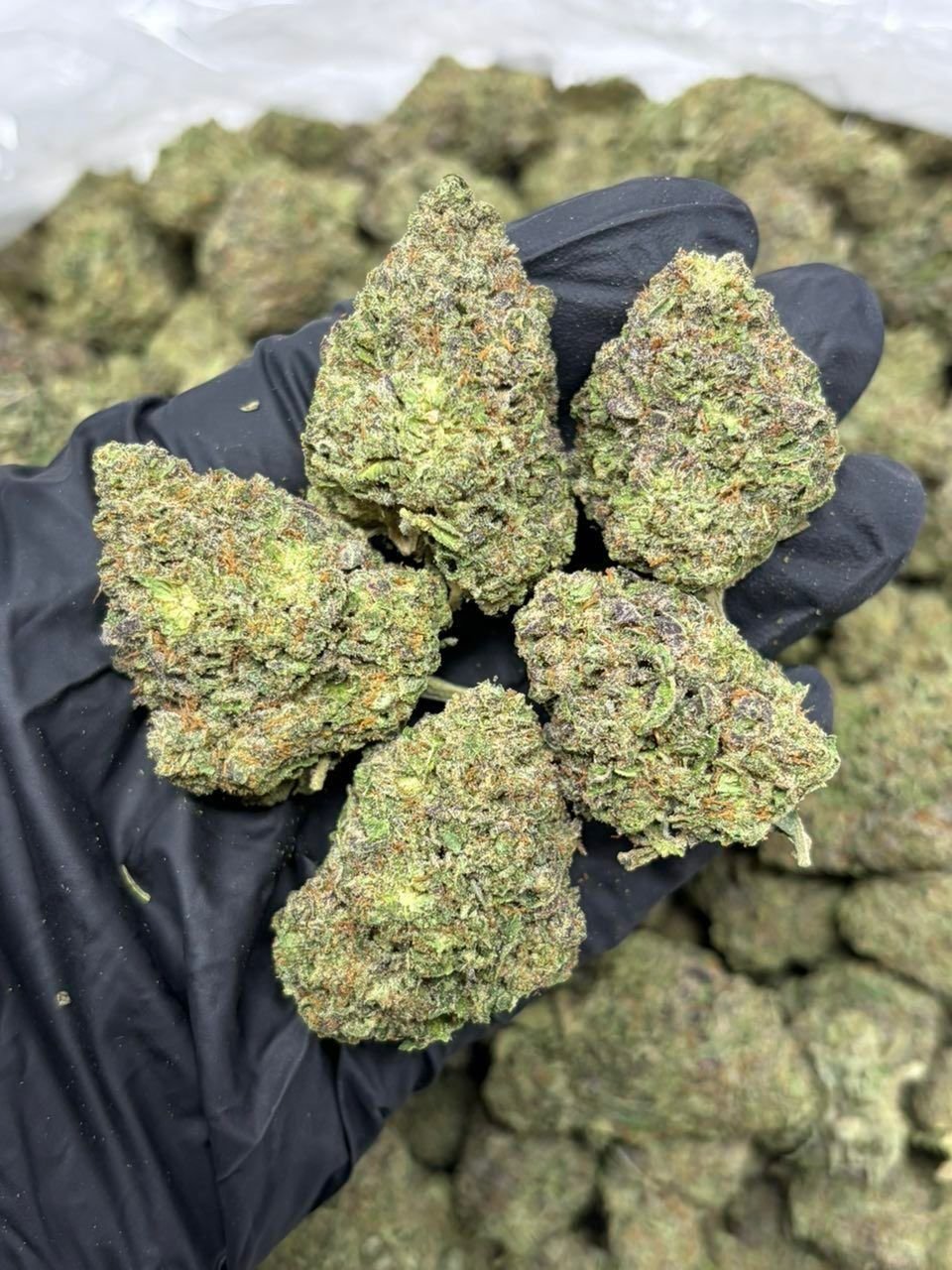
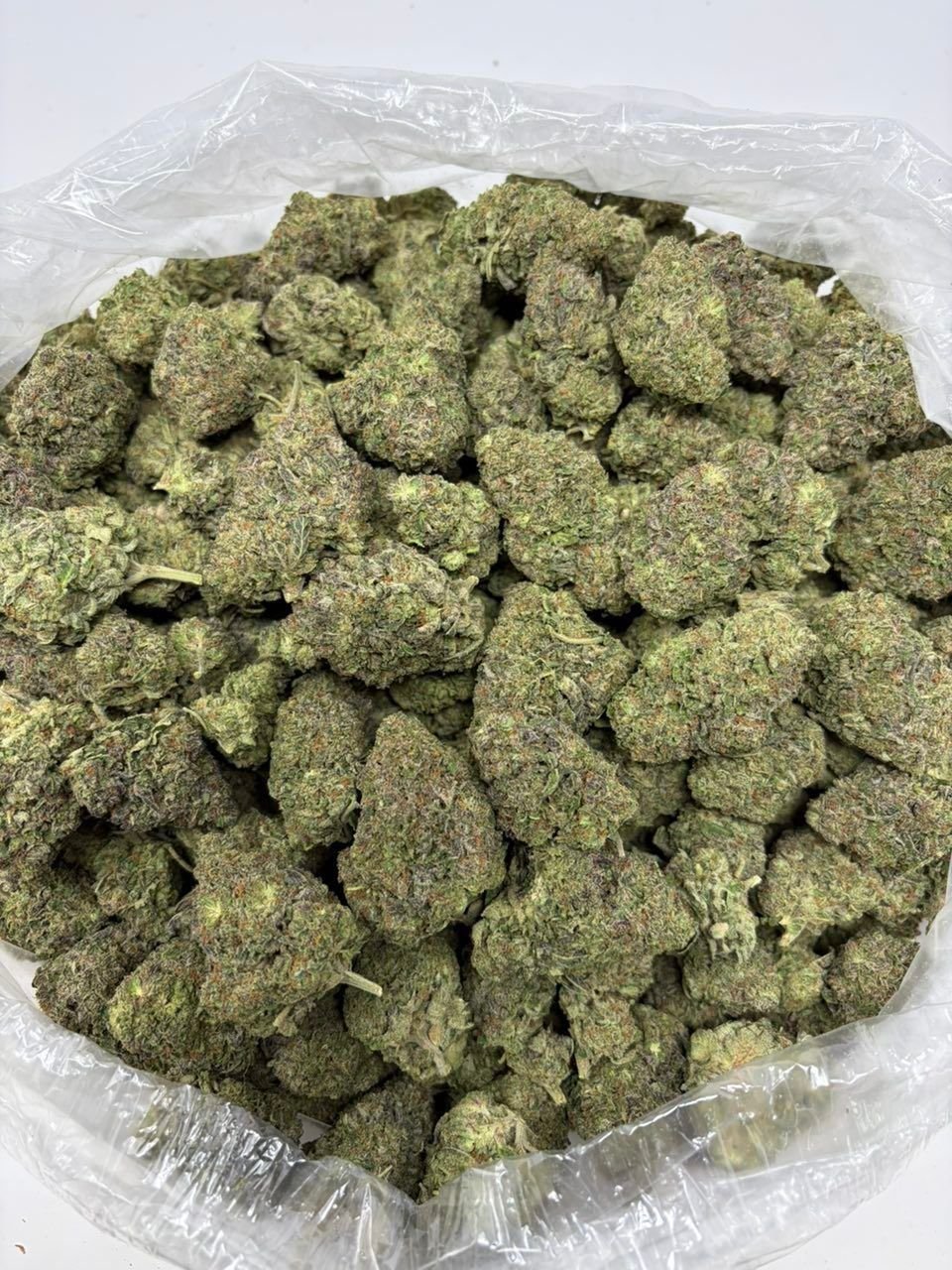
The buds are typically dense, medium‑sized nugs with a bright, bag‑appealing look. Expect shades of green ranging from lime to forest, shot through with purple hues, and coated in a frosty layer of trichomes that give the flowers a sugary, crystal‑like appearance. The aroma leans heavily into candy‑sweet grape, but when you break the buds apart you may also notice hints of berry, vanilla, and a faint herbal backdrop.
Grape Candy is popular in both flower and concentrate form. The strong terpene profile translates well into live resin, rosin, and vape cartridges, where flavor chasers seek strains that can hold their taste even after processing. As a result, you’re likely to see Grape Candy Strain offered not only as cured flower but also as hash, wax, diamonds and sauce, and distillate blends.
Genetics And Lineage Of Grape Candy Strain
The exact lineage of Grape Candy can vary slightly between breeders, but the core idea is the same: cross grape‑dominant genetics with potent, flavorful parents to create a dessert‑style hybrid. Many versions are built around a Grape Ape or Purple lineage crossed with a high‑resin hybrid that enhances potency and structure. Other breeders may use grape‑leaning phenotypes of Candy Kush, OG, or Cookies lines to arrive at the same candy‑like result.
What unites these variations is the focus on three traits:
Sweet grape flavor: The terpene profile must deliver a bright, unmistakable grape candy aroma.
Potent hybrid effects: The strain should offer a relaxing body high without completely knocking users out on the first hit.
Bag appeal: The buds should look frosty, colorful, and dense, with the kind of visual punch that stands out on a shelf or in a bag.
Because different breeders can put their own twist on Grape Candy, you may see it listed under slightly different names or with phenotype tags. However, if the strain is being sold under the Grape Candy label, you can generally expect a sweet grape terpene profile and an indica‑leaning hybrid effect.
Appearance, Aroma, And Flavor
Appearance
Grape Candy buds are typically dense, slightly chunky flowers that range from medium to occasionally large size, depending on how they were grown and trimmed. The structure often shows strong indica influence: compact calyxes stacked tightly together, with minimal stem and very little fluff. This gives each nug a solid, weighty feel when you hold it between your fingers.
Color is a standout feature. Expect a base of forest or lime green leaves dotted with patches of deep purple or lavender, especially toward the tips and edges where cooler grow temperatures can bring out anthocyanin expression. Bright orange pistils weave through the buds, adding contrast and giving the flowers a multi‑colored, eye‑catching look. Finally, a heavy frost of milky trichomes blankets the surface, giving the entire nug a shimmering, sugar‑coated appearance.
Aroma
The aroma of Grape Candy Strain is one of its defining features. When you first crack open a jar or bag, you’re met with a wave of sweet, artificial‑style grape reminiscent of grape soda, grape gummies, or old‑school grape hard candies. This sweetness is often layered over subtle berry and floral notes, creating a bouquet that is both nostalgic and deeply appealing.
Underneath the sweetness, experienced noses will detect a faint earthy or herbal layer. This grounding base keeps the strain from smelling overly synthetic or one‑note. Some cuts lean more toward pure candy, while others feature a tiny hint of spice, pine, or vanilla that adds complexity.
Flavor
On the inhale, Grape Candy Strain usually delivers exactly what you’d expect from the smell: bold, sweet grape flavor with a candy‑like, slightly syrupy quality. The smoke or vapor is often smooth, with users describing an almost juicy sensation that coats the tongue. This makes it an excellent candidate for bong rips, joints, blunts, and especially vapes and dabs where flavor is front and center.
On the exhale, you may notice more of the secondary notes: light berry, soft floral hints, a touch of earth, and sometimes a whisper of vanilla or cream. The aftertaste tends to linger, leaving a grape candy impression on your palate long after you’ve finished a hit. For many people, this makes Grape Candy an ideal strain for session smoking because it remains enjoyable and flavorful bowl after bowl.
Terpene Profile Of Grape Candy Strain
The terpene profile behind Grape Candy Strain’s signature aroma and flavor varies slightly by breeder and phenotype, but a few key terpenes usually play leading roles.
Myrcene
Myrcene is often dominant in Grape Candy, contributing to the strain’s relaxing, mellow body effects. It brings earthy and musky notes to the background of the aroma, and in higher concentrations, myrcene is associated with more sedative, couch‑locking influences.
Limonene
Limonene can be present in moderate levels, supporting the sweet, citrusy edge that makes the grape note feel bright rather than dull. It can add a subtle lemon or orange twist to the aroma and flavor, and it is often linked to mood‑boosting, uplifting effects.
Caryophyllene
Caryophyllene may appear as a secondary terpene, contributing a mild peppery or spice note in the background. It is associated with anti‑inflammatory properties and can add a gentle warmth to the strain’s flavor, especially noticeable on the exhale or in the aftertaste.
Linalool And Other Terpenes
Linalool, pinene, and smaller amounts of other terpenes might also show up depending on the specific cut. Linalool can add floral, lavender‑like nuances and a calming influence, while pinene can bring a hint of pine freshness that opens up the grape sweetness and keeps it from feeling too heavy.
These terpenes work together with cannabinoids to create the entourage effect: a more nuanced and layered experience than THC alone. This is part of why Grape Candy Strain feels both relaxing and mentally pleasing without being purely sedative or purely energizing.
THC, CBD, And Cannabinoid Potency
Grape Candy Strain is usually bred as a THC‑dominant variety. Lab results vary by grower, but many Grape Candy cuts test in the range that appeals to experienced users: strong but not necessarily the highest on the shelf. You’ll often see THC percentages that are solidly in the mid‑to‑high range, enough to produce a pronounced high with relatively small doses.
CBD content is typically low. This is not a CBD‑rich strain in most cases, though trace amounts of CBD and other minor cannabinoids will be present. CBG, CBN, and others may appear in small levels, especially in well‑cured or slightly older samples, and these can subtly influence the overall effect profile.
Because THC is the primary driver, users should treat Grape Candy Strain with respect, particularly if they have limited tolerance. Even though it presents as a sweet, friendly dessert strain, the potency can catch people off guard when they assume that a candy‑like taste always means gentle effects.
Grape Candy Strain Effects
Head Effects
Grape Candy Strain typically starts with a noticeable head change. Within a few minutes of smoking or vaping, many users report a light buzzing sensation behind the eyes and across the forehead. Thoughts may feel slightly slower or more whimsical, and mood tends to shift toward positivity and ease. Stress and mental noise often recede as a sense of carefree calm sets in.
The high can be described as happy and unfussy. Users often talk about feeling more open to conversation, more amused by jokes, and more content to sit back and enjoy movies, games, or music. It doesn’t usually push people into racing thoughts; instead, it leans into mellow daydreaming and easygoing enjoyment.
Body Effects
On the physical side, Grape Candy Strain usually delivers a gentle to moderate body relaxation that grows as the session continues. Muscles may feel looser, tension in the shoulders and neck can ease, and a cozy sense of bodily comfort may emerge. At moderate doses, this often feels like a pleasant heaviness rather than full couch‑lock.
At higher doses, especially in indica‑leaning phenotypes, the body high can become more intense. Limbs may feel heavy, and you may find yourself sinking deeper into couches or chairs, perfectly content to stay put for long stretches. This makes Grape Candy Strain a frequent favorite for evening use, after work wind‑downs, and pre‑bed sessions.
Psychoactive Experience
The psychoactive experience with Grape Candy is generally warm and friendly. Many users find the strain good for unwinding without losing control, as long as doses are reasonable. It tends to encourage:
Relaxed conversation
Appreciation of music, shows, or streaming content
Gentle introspection without heavy anxiety
A sense of indulgence and reward after a long day
At very high doses, some users may experience the usual THC‑related side effects: intensified sensory perception, mild paranoia if predisposed, time distortion, or feeling “too high.” However, because Grape Candy Strain is often chosen precisely for its easygoing nature, many people find the experience manageable and enjoyable with a bit of self‑awareness.
Medical Uses Of Grape Candy Strain
While formal medical research on specific strain names is limited, the effect profile of Grape Candy Strain lines up with several potential uses for medical cannabis patients, especially in jurisdictions where specific cultivars are recommended for symptom relief.
Stress And Anxiety Relief
The mood‑lifting yet calming character of Grape Candy can make it helpful for people dealing with mild to moderate stress and day‑to‑day anxiety. The euphoric uplift and mental quieting can provide a break from worry loops and overthinking. However, patients prone to severe anxiety or panic should still approach cautiously, as high THC can sometimes amplify those issues in sensitive individuals.
Pain And Muscle Tension
The body‑relaxing properties of Grape Candy Strain may offer relief for muscle tension, minor aches, and some types of chronic pain. Patients often report that indica‑leaning hybrids help with conditions like sore muscles, back pain, headaches, and menstrual cramps. Grape Candy’s combination of physical relaxation and pleasant mood effects can make pain feel more distant and manageable.
Insomnia And Sleep Difficulties
At higher doses or when used in the later evening, Grape Candy Strain may help people fall asleep more easily and stay asleep longer. The gradual body heaviness, combined with mental relaxation, can make it easier to let go of the day and drift off. Patients seeking sleep support should consider starting with smaller doses to understand how sedating their particular cut of Grape Candy feels.
Appetite Stimulation
Like many THC‑dominant strains, Grape Candy can stimulate appetite. For patients dealing with appetite loss from nausea, stress, or medical treatments, this can be a beneficial side effect. The strain’s candy‑like flavor and pleasant high can also make the overall experience more enjoyable than some more sedating, earthy strains.
Side Effects And Safety Considerations
Dry Mouth And Dry Eyes
Dry mouth and dry eyes are common with Grape Candy Strain, as with most THC‑rich cultivars. Keeping water or a hydrating drink nearby and using eye drops if necessary can help manage these relatively mild side effects.
Dizziness And Lightheadedness
At higher doses, some users may experience dizziness, especially when standing up quickly. People prone to low blood pressure or faintness should be cautious and consider taking it slow, particularly when trying the strain for the first time.
Anxiety Or Paranoia
Although Grape Candy Strain is generally seen as a relaxing, friendly strain, any high‑THC cannabis can cause anxiety or paranoia in susceptible individuals or in very large doses. Those with known sensitivity should start with small amounts and avoid stacking several big hits back‑to‑back without waiting to feel the effects.
Overconsumption
Overconsumption can lead to feeling “too high,” which may include confusion, racing thoughts, racing heart, or an overwhelming sense of intoxication. While this is usually temporary and not dangerous, it can be very uncomfortable. The best prevention is pacing: take a few hits, wait, then decide whether you need more.
Grape Candy Strain For Different Types Of Users
For Casual And Social Users
Grape Candy Strain is an excellent option for social settings, hangouts, and casual use. The sweet flavor makes it enjoyable for sharing, and the balanced hybrid effects can keep most people relaxed and happy without pushing them too far into either couch‑lock or edgy stimulation. It is especially popular among people who enjoy dessert strains that taste as good as they feel.
For Creative Users
Some creative users find Grape Candy good for light artistic tasks, brainstorming, and enjoying music or visual art. While it is not typically described as the most intensely cerebral strain, its mood‑boosting and sensory‑enhancing qualities can make creative pursuits feel more immersive and fun.
For Heavy And Experienced Users
Heavier users who already have a strong tolerance may not find Grape Candy the most potent strain in raw numbers, but they often appreciate its flavor, consistency, and reliable hybrid effect. It can serve as a go‑to daily driver strain for evenings or as a comfortable staple in a rotation of stronger, more sedating cultivars.
For New Or Low‑Tolerance Users
New or low‑tolerance users can still enjoy Grape Candy Strain, but they should be conservative with dosage. Its dessert‑like flavor can make it tempting to take more hits than necessary. Starting with one small hit, waiting, and then deciding whether to continue is a wise approach.
How To Grow Grape Candy Strain
Growing Difficulty
Grape Candy Strain is usually considered a moderately easy strain to grow for cultivators with some basic experience. It tends to respond well to standard training techniques and is adaptable to both indoor and outdoor environments. Its indica‑leaning structure can make it manageable in smaller grow spaces.
Preferred Climate And Environment
Grape Candy typically prefers a mild to warm climate with stable temperatures. Indoors, keeping temperatures in a comfortable range with adequate air circulation is key to preventing mold on dense, resinous buds. Outdoors, the strain does better in environments where late‑season rains and humidity are not extreme, as its resin‑heavy flowers can be susceptible to bud rot if conditions are too damp near harvest.
Plant Structure
Plants tend to be medium in height, with a bushy structure and strong lateral branching. This makes them good candidates for topping, low‑stress training, and other canopy‑managing techniques. Many growers use training to open up the plant and allow light to reach lower bud sites, which can improve overall yield and reduce the risk of moisture pockets.
Flowering Time
Flowering times for Grape Candy Strain are usually in the average range for indica‑leaning hybrids. Indoors, you can often expect a flowering period of roughly eight to ten weeks from the flip to a 12/12 light schedule, depending on phenotype and grow conditions. Outdoor harvests tend to fall in mid to late season.
Yield
Yields can be solid when the strain is grown under good conditions. Dense buds mean that even relatively compact plants can produce respectable harvests, especially when trained and pruned thoughtfully. With proper nutrition, lighting, and environmental control, Grape Candy can reward growers with jars of sticky, grape‑scented flower.
Indoor Versus Outdoor Growing
Indoors, Grape Candy Strain offers the advantage of environmental control, allowing growers to dial in temperature, humidity, lighting, and airflow. This can help bring out the purple coloration and maximize terpene production. It also reduces the risk of pests and mold if managed correctly.
Outdoors, the strain can benefit from natural sunlight and has the potential to stretch a bit more, producing larger plants. However, growers must be mindful of regional climate patterns—especially late‑season rain—and take precautions against mold and pests.
Training Techniques
Common training methods for Grape Candy include topping, low‑stress training, and scrogging (Screen of Green). These practices help control height, improve light penetration, and encourage multiple main colas rather than a single dominant top. Because the strain tends to form dense buds, providing good airflow within the canopy is important.
Nutrient Needs
Grape Candy responds well to a balanced nutrient regimen that supports vegetative growth and then shifts toward bloom nutrients during flowering. Avoid overfeeding, particularly with nitrogen late in the cycle, to prevent leafy buds and diminished flavor. Many growers also incorporate organic amendments or flushing periods to enhance taste and aroma in the final product.
Harvest And Curing
Knowing when to harvest Grape Candy Strain is crucial for capturing its ideal effect profile. Growers often look for cloudy trichomes with some turning amber, indicating a mature THC profile with a touch of relaxing, body‑oriented character. Harvesting too early can lead to a more jittery high, while harvesting too late can push the effects too far into sedation.
After harvest, careful drying and curing are essential. Slow drying in a cool, dark space followed by curing in sealed containers with periodic burping allows the grape candy aroma to fully develop. A well‑cured Grape Candy jar will smell intensely sweet and inviting every time you open it.
How To Use Grape Candy Strain
Smoking Flower
Smoking Grape Candy in a joint, blunt, or bowl is a classic way to enjoy its flavor. The strain’s sweet, potent smoke can be especially satisfying in glass piece sessions where the terpene profile is easy to appreciate. Grind the buds to a medium consistency to maintain airflow while still allowing the resinous structure to shine.
Vaping
Vaping Grape Candy Strain in a dry herb vaporizer or as a concentrate can accentuate its flavor even more. Lower temperature settings often bring out the distinct grape and berry notes, while higher settings intensify the overall effect and cloud production.
Edibles And Infusions
Grape Candy can also be used in homemade edibles and infusions, though its terpene profile will be less prominent after decarboxylation and infusion. The strain’s potency makes it a good candidate for cannabutter, oils, and other infusion bases where you want a powerful THC effect behind your recipes.
Concentrates
Concentrates made from Grape Candy—such as live resin, rosin, or distillate cartridges—are popular among flavor chasers. The strong grape terpene profile translates well into dab rigs and pens, providing an intense, candy‑like experience with a single hit.
Tips For Getting The Best Experience
Start low and go slow if you’re new to the strain.
Use clean glass or a well‑maintained vaporizer to fully appreciate the flavor.
Have water or a hydrating drink on hand to manage dry mouth.
Plan ahead for your setting: Grape Candy Strain is ideal for relaxed environments where you can fully enjoy the high.
Grape Candy Strain Compared To Other Dessert Strains
Compared To Grape Ape
Grape Ape is typically heavier, more sedating, and more earthy‑grape in profile. Grape Candy tends to be brighter, sweeter, and more candy‑like, with a slightly more balanced hybrid feel and less pure couch‑lock at moderate doses.
Compared To Purple Punch
Purple Punch is a dessert strain known for its sweet, grape‑and‑berry flavor and strong body high. Grape Candy Strain shares some of this dessert profile but often feels a little lighter and more playful in the head, making it slightly more social for some users.
Compared To Candy Kush Or Candy‑Named Hybrids
Candy‑named strains vary widely, but many aim for sweet profiles. Grape Candy stands out by committing strongly to grape candy flavor. It’s a good match for users who specifically want that nostalgic grape soda or grape gummy vibe rather than generic sweetness.
Grape Candy Strain Buying Tips
When shopping for Grape Candy Strain, pay attention to:
Aroma: The buds should smell strongly of sweet grape and candy, not hay or mildew.
Appearance: Look for dense, frosty buds with some purple and vibrant pistils.
Freshness: Overly dry buds may have lost terpenes; slightly sticky, aromatic buds are ideal.
Source: Choose reputable growers and sellers known for handling and curing their flower properly.
Conclusion
Grape Candy Strain delivers exactly what its name promises: a sweet, grape‑forward experience wrapped in a relaxing, enjoyable hybrid high. With its attractive buds, bold candy aroma, and friendly, mellow effects, it appeals to flavor chasers, evening relaxers, and anyone who wants their cannabis to feel like a treat at the end of the day. Growers appreciate its dense, resinous flowers and manageable structure, while consumers value its balance between head and body effects.
Whether you enjoy it as flower, concentrate, or vape, Grape Candy Strain offers a sensory‑rich session that turns each hit into something closer to dessert than medicine. Treated with respect and dosed thoughtfully, it can become a reliable favorite in your rotation—especially if you love strains where taste and experience come together as sweetly as a piece of grape candy.
| QTY | OZ, QP, HP, LB |
|---|
Related products
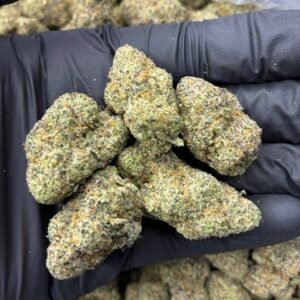
White Zlushie Weed Strain
Price range: $175.00 through $800.00 Select options This product has multiple variants. The options may be chosen on the product page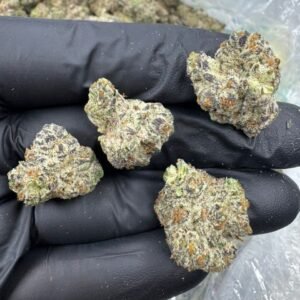
White Trufflez Strain
Price range: $150.00 through $700.00 Select options This product has multiple variants. The options may be chosen on the product page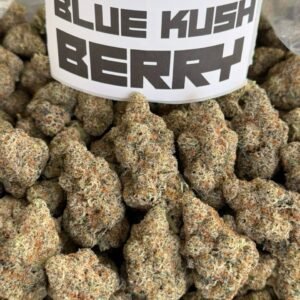
Blue Kush Berry
Price range: $150.00 through $750.00 Select options This product has multiple variants. The options may be chosen on the product page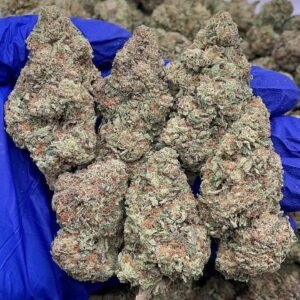
Gelati Strain
Price range: $150.00 through $750.00 Select options This product has multiple variants. The options may be chosen on the product page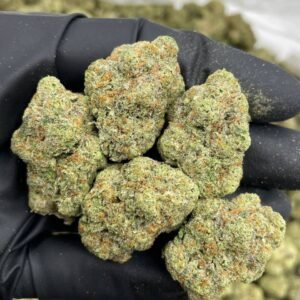
Lucky Charms Strain
Price range: $200.00 through $950.00 Select options This product has multiple variants. The options may be chosen on the product page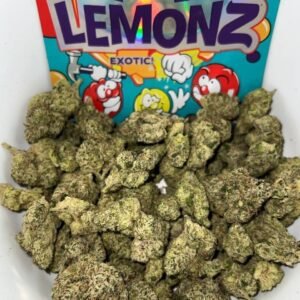
Lemon Candy Strain
Price range: $100.00 through $750.00 Select options This product has multiple variants. The options may be chosen on the product page
Black Runtz Strain
Price range: $200.00 through $950.00 Select options This product has multiple variants. The options may be chosen on the product page
Candy Donut Strain
Price range: $100.00 through $700.00 Select options This product has multiple variants. The options may be chosen on the product page
Persy Snow Caps
Price range: $150.00 through $800.00 Select options This product has multiple variants. The options may be chosen on the product page
Reviews
There are no reviews yet.