
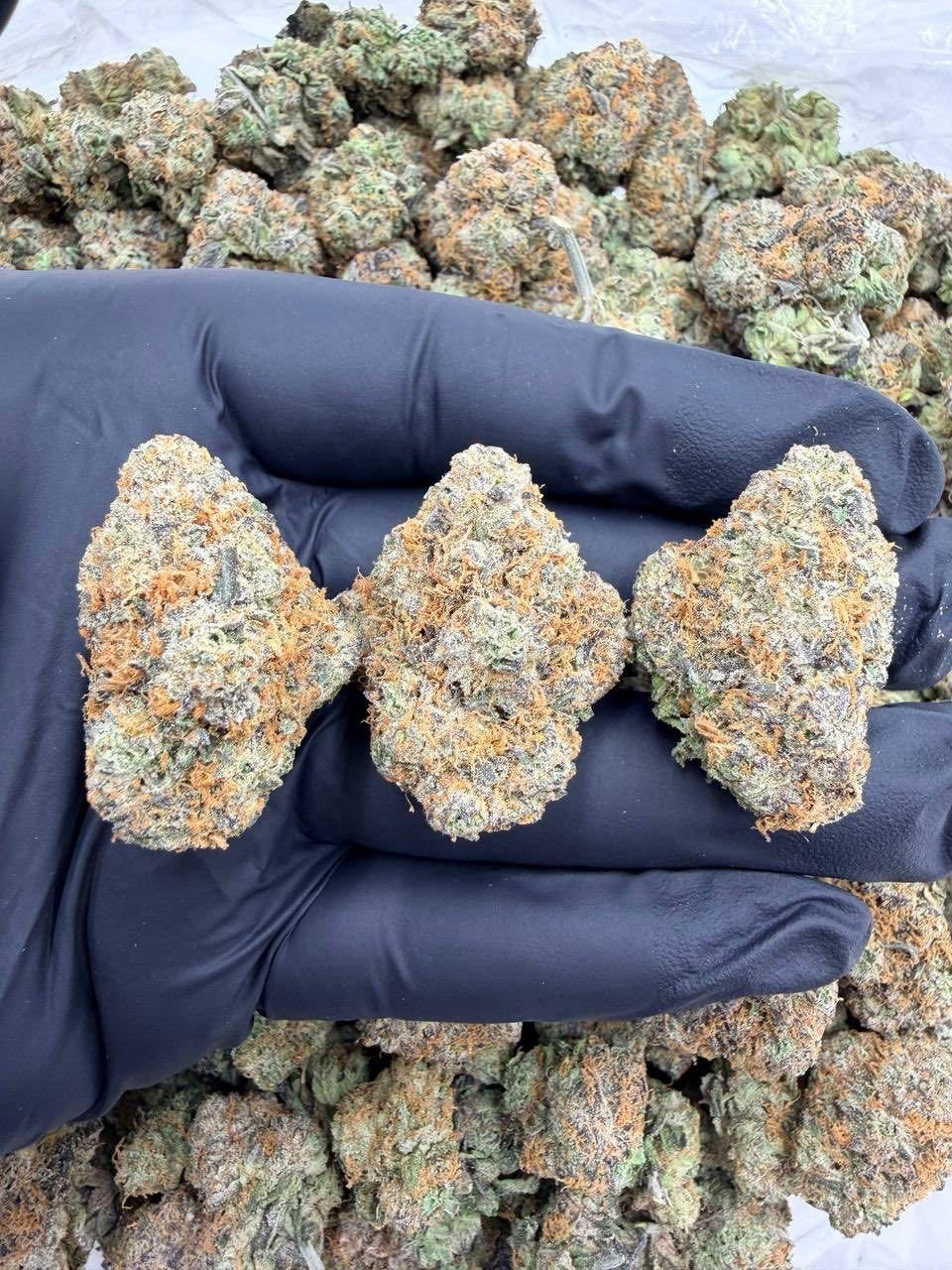
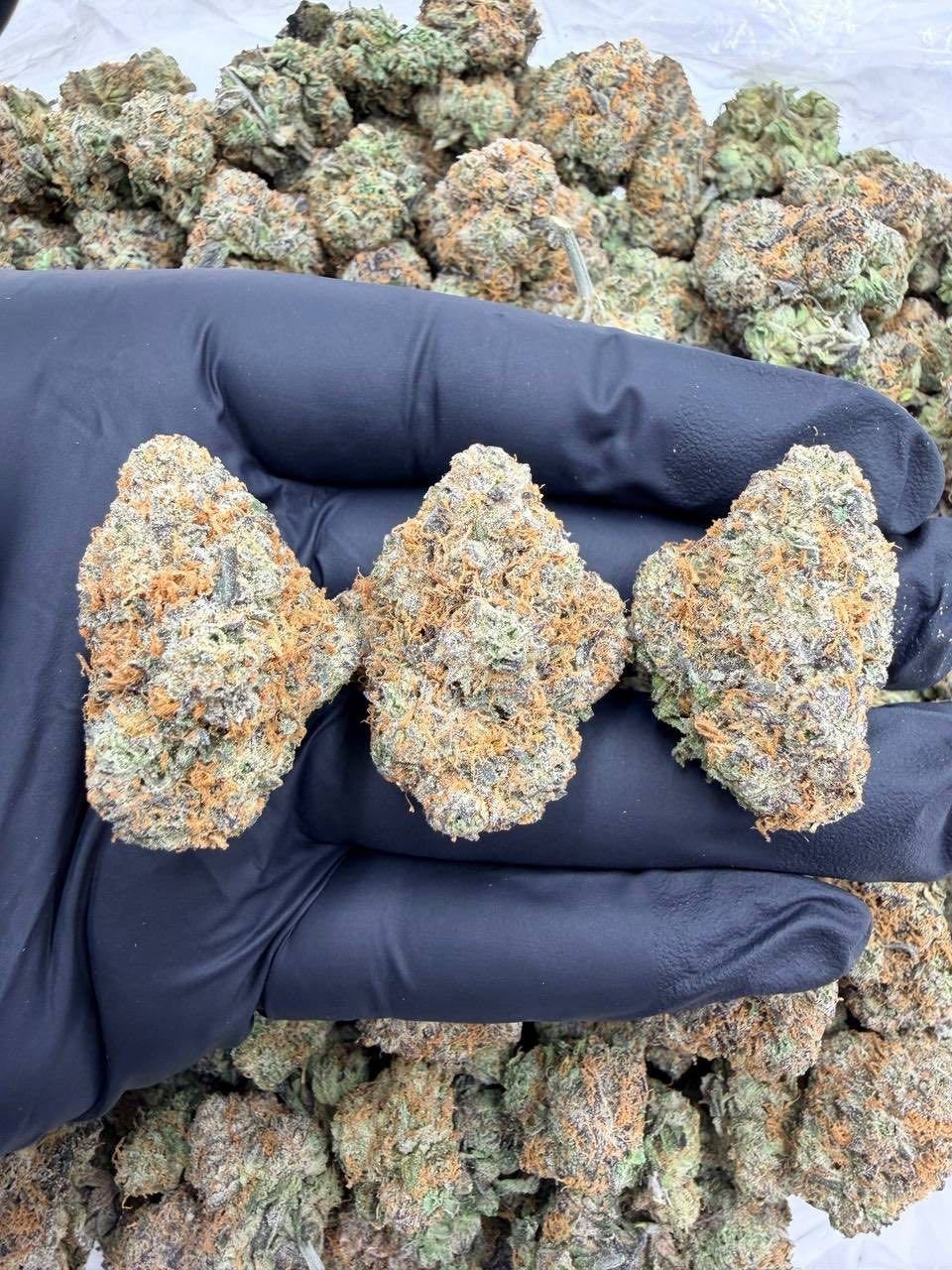
Lemon Drop
Price range: $200.00 through $900.00
Lemon Drop is typically described as a sativa-dominant or balanced hybrid strain characterized by intense lemon-candy aroma and a high that leans toward energetic, clear-headed, and mood‑lifting.
Lemon Drop: The Ultimate Full-Length Guide For Citrus-Loving Cannabis Fans
Lemon Drop belongs to a family of lemon-forward cannabis varieties that have captivated consumers for years. While different breeders and regions may have slightly different takes on “Lemon Drop,” they all aim at the same target: a bright, sour-sweet lemon aroma and flavor, paired with an uplifting, daytime‑friendly high. Think of it as the cannabis equivalent of lemon drop candies or a cold glass of lemon soda—refreshing, energizing, and hard to forget.
This guide dives into Lemon from every angle:
-
What Lemon is and what it’s supposed to deliver.
-
How it looks, smells, and tastes.
-
Its typical effects and best use-cases.
-
How to consume it for maximum enjoyment.
-
How to grow Lemon, including basic cultivation tips.
-
How it compares to other citrus strains and who it’s best suited for.
Use this as a foundation for your long-form strain page so you can provide more depth and value than generic competitors.
What Is Lemon Drop Strain?
Lemon Drop is typically described as a sativa-dominant or balanced hybrid strain characterized by intense lemon-candy aroma and a high that leans toward energetic, clear-headed, and mood‑lifting. Rather than being heavy and couch-locking, Lemon is usually positioned as a “daytime strain,” something you might enjoy before creative work, outdoor activities, or social time—assuming your tolerance and experience support that.
Key themes that define Lemon:
-
Strong lemon aroma and flavor, often compared to lemon drop candies or lemonade.
-
Uplifting, sometimes “bubbly” or motivating effects.
-
A terpene profile dominated by bright citrus notes.
-
Appeal to both newer and advanced users who appreciate flavor and functional highs.
Different breeders may have slightly different genetic recipes behind their “Lemon ,” but the core identity remains the same: lemon-forward, upbeat, and refreshing.
Lemon Drop Genetics And Lineage (Conceptual Overview)
Because multiple breeders can create their own version of Lemon , the exact lineage can vary. However, Lemon almost always descends from or is influenced by well-known lemon/citrus or haze genetics.
Typical contributing lineages include:
-
Lemon-centric ancestors: strains known for strong citrus terpenes, especially limonene-heavy plants.
-
Haze or sativa-dominant families: providing the uplifting, energetic effect profile.
-
Occasionally, hybrid or indica roots: adding body support and improving bud structure and yield.
Rather than claiming a single, rigid family tree, it’s more accurate to describe Lemon as part of the broader “lemon/haze” style cluster of strains that focus on bright, citrus-forward terps and mentally stimulating effects.
Lemon Drop Appearance: What The Buds Look Like
Lemon usually has a look that fits its name: light, bright, and visually appealing.
Color
Typical Lemon buds often show:
-
Light to medium green tones, suggesting freshness and brightness.
-
Occasional hints of deeper green or gentle gold tones in some phenotypes.
-
Fiery orange pistils scattered over the surface, adding color contrast.
-
A moderate to heavy coating of trichomes that give the buds a frosty, crystalline sheen.
When properly cured, the buds look sticky and sparkling, which aligns with the idea of “sugared” lemon.
Structure
In terms of structure, Lemon usually presents as:
-
Medium-density buds—neither rock-hard nor overly airy.
-
Conical or spear-like colas in some phenotypes, especially with more sativa influence.
-
Well-formed calyxes that break apart easily for rolling or vaping.
The overall appearance is often described as “classic heady sativa look” with enough density to appeal to modern consumers.
Lemon Drop Aroma: What It Smells Like
Aroma is where Lemon Drop really makes its statement. Breaking open a jar often releases a rush of zesty lemon that can be recognized across the room.
Common aromatic notes include:
-
Fresh lemon zest: sharp and tangy, like grating lemon peel.
-
Lemon candy: sweet and slightly artificial—similar to lemon candies, lemonade powder, or lemon soda.
-
Citrus rind: a slight bitter and aromatic peel component that adds complexity.
-
Mild herbal or floral undertones: reminding you it’s still cannabis, not just an air freshener.
When ground, the fragrance often intensifies, with a punchy lemon tone that cuts through other smells.
Lemon Drop Flavor: What It Tastes Like
Flavor is one of the primary reasons people fall in love with Lemon. When grown and cured properly, the taste matches or even surpasses the nose.
On inhale and exhale, users often report:
-
Strong lemon: present immediately, sometimes almost shocking in its intensity.
-
Sweetness: a sugar-like or candy-sweet element similar to lemon drops or lemon sorbet.
-
Slight sourness: a tangy bite that helps the flavor feel crisp, not flat.
-
Herbal finish: a light herbal, earthy, or floral note that anchors the flavor and keeps it from being one-dimensional.
The smoke or vapor from Lemon, when cleanly produced, tends to be:
-
Smooth on the throat compared to harsher strains.
-
Refreshing on the palate, leaving a lingering lemony aftertaste.
-
Enjoyable enough that users often comment on the flavor during the session.
If your audience loves top-tier flavor strains, this is a major selling point.
Lemon Drop Terpene Profile
Terpenes drive the smell and taste, and strongly influence the experiential tone of the high.
Common terpenes associated with Lemon concepts include:
-
Limonene: Dominant in most lemon strains, responsible for citrus aroma and often associated with mood elevation and stress relief.
-
Terpinolene or ocimene (depending on phenotype): Can contribute fruitiness, light florals, and a slightly energizing feel.
-
Myrcene (often in smaller amounts): Earthy or musky; may play a role in body relaxation.
-
Caryophyllene: Spicy or peppery hints, adding depth and warmth to the flavor.
This terpene combination explains why Lemon usually delivers a bright, uplifting high that feels mentally clearing and emotionally positive.
Lemon Drop Potency: How Strong Is It?
Lemon Drop potency varies by grower, environment, and phenotype, but Lemon is generally bred to be effective, not weak. It usually falls in what many consumers consider “moderately strong to strong” territory, especially based on modern standards.
Users generally experience:
-
A noticeable head change within a few hits.
-
A high that can be intense for low-tolerance users, especially if they overconsume.
-
Effects that linger for several hours, especially if consumed in larger quantities.
The uplifting character can make the potency feel different from a heavy indica; users are more likely to feel energized at first before any body relaxation sets in.
Lemon Drop Effects: How The High Feels
Describing the high accurately is essential for trust and value. Lemon effects are largely shaped by its citrus-dominant terpene profile and sativa-leaning nature.
Onset: The First Few Minutes
Early in the session, many users report:
-
A quick lift in mood and mental clarity.
-
A sense of lightness behind the eyes and across the forehead.
-
Increased alertness and awakeness, similar to having a strong cup of tea or coffee, but with a different texture.
This onset can feel invigorating and motivating.
Peak Effects: Uplift, Focus, And Flow
At peak, Lemon typically delivers:
-
Enhanced focus: users may feel more engaged with tasks, conversations, or creative work.
-
Elevated mood: optimism, laughter, and talkativeness may increase.
-
Sensory enhancement: colors, sounds, and flavors can feel more vivid and interesting.
Some people describe Lemon as “sunny” or “sparkly”—it can turn mundane activities into something more enjoyable.
Body Effects: Light Support Without Heavy Sedation
While Lemon is primarily known for its head effects, the body is not completely left out:
-
Mild to moderate body relaxation: tension in shoulders and neck may ease.
-
Light comfort: a sense of physical ease without full-on couch-lock.
-
Little to no heavy sedation at moderate doses, making it a functional daytime strain for many.
However, at very high doses, even sativa-leaning strains can become surprisingly heavy, so users should still pace themselves.
Mental And Emotional Experience
Emotionally, Lemon is typically:
-
Cheerful: it can help shake off irritability or a negative mood.
-
Motivating: users may feel more willing to tackle projects, chores, or creative tasks.
-
Social: it often pairs well with conversation and group settings, at least at moderate doses.
That said, in people highly prone to anxiety or who consume too much, any strong, cerebral strain can potentially lead to:
-
Brief periods of nervousness or racing thoughts.
-
Overthinking in unfamiliar or high-pressure environments.
For those users, careful dosing and a comfortable setting matter.
Common Uses And Situations For Lemon Drop
Understanding when and why people use Lemon Drop helps your content resonate with real-world needs.
Daytime Productivity And Creative Work
Lemon Drop is often used by people who want to:
-
Spark creativity for writing, design, music production, or brainstorming.
-
Make routine tasks like cleaning or organizing more enjoyable.
-
Maintain enough clarity to stay productive, as long as dose is moderate.
It’s often seen as a “get things done” strain in the right hands.
Social And Recreational Use
Because of its mood‑boosting nature, Lemon Drop works well for:
-
Daytime social events like barbecues, picnics, or small gatherings (where legal and appropriate).
-
Smoke sessions with friends who enjoy talking, laughing, and sharing stories.
-
Adventures like hiking or exploring, for experienced users who can handle being high in those settings.
Its lively feel aligns with active, fun experiences rather than solitary, inward nights.
Stress Relief And Mood Support
Some users choose Lemon Drop because it:
-
Helps shift them out of stuck or low-energy mental states.
-
Reduces perceived stress, at least temporarily.
-
Makes light entertainment—music, shows, games—more therapeutic and enjoyable.
Framing it as a “mental reset” strain fits many users’ lived experiences.
Possible Side Effects Of Lemon Drop
Every strain carries the potential for side effects, especially at higher doses.
Common physical side effects:
-
Dry mouth: drinking water before and during sessions helps.
-
Dry or red eyes: often easily managed with eyedrops.
-
Slightly increased heart rate: typical of many uplifting strains.
Possible psychological side effects at high doses or in sensitive individuals:
-
Temporary anxiety or jitteriness.
-
Racing thoughts or over-analysis.
-
Difficulty relaxing if consumed too late in the day for some.
Reminding readers to start with small amounts and increase slowly underscores your responsible approach.
Who Lemon Drop Is Best For
Clarifying the ideal audience helps potential consumers self-assess.
Great Fit For
-
Lovers of citrus and lemon flavors.
-
Fans of sativa-leaning or uplifting hybrids.
-
Daytime users who want functional enhancement rather than sedation.
-
Creative professionals and hobbyists who enjoy cannabis as a tool for inspiration.
Use With Caution If
-
You’re very new to cannabis and unsure how you respond to energetic strains.
-
You tend to get anxious or paranoid on strong sativas.
-
You want something to knock you out for sleep.
-
You only enjoy earthy, gassy, or heavily sedating indica profiles.
When your content acknowledges who a strain is and isn’t for, readers see you as more honest and trustworthy.
Lemon Drop vs Other Citrus And Lemon Strains
Comparison sections are great for Lemon Drop and real-world guidance.
Lemon Drop vs Lemon Haze
-
Flavor: Both are very lemony; Lemon Drop tends to feel more candy-sweet, while Lemon Haze often leans more toward zesty peel and classic haze.
-
Effects: Lemon Haze can feel racier and more purely heady; Lemon Drop usually has a slightly smoother, more balanced hybrid feel.
-
Use-case: Lemon Haze is often chosen for strong, energetic daytime use; Lemon Drop may feel more versatile and less “too much” for some users.
Lemon Drop vs Super Lemon-Like Strains
-
Flavor: Lemon can be slightly sweeter and more candy-like compared to sharper lemon strains.
-
Effects: While both uplift, Lemon may carry a bit more body relief and be less likely to feel extremely jittery if dosed responsibly.
-
Audience: Users who found some lemon Drop too anxious may appreciate Lemon Drop’s slightly softer edge.
Lemon Drop vs Lemon Kush-Type Hybrids
-
Flavor: Lemon Kush styles blend lemon with earth and pine; Lemon Drop is usually more pure lemon-candy.
-
Effects: Lemon Kush-type hybrids can feel heavier and more relaxing; Lemon Drop is generally lighter and more cerebral.
-
Use-case: Lemon Drop is daytime and creative; Lemon Kush is often late afternoon or early evening for balanced chill.
These comparisons help readers map Lemon Drop within the broader lemon/citrus category.
Lemon Drop Consumption Methods And Tips
Different ways of consuming Lemon Drop highlight different aspects of its character.
Smoking Flower
-
Joints: Showcase the lemon flavor beautifully and are easy to share.
-
Pipes: Deliver quick, targeted hits and preserve a lot of flavor in the first puffs.
-
Bongs: Provide strong, fast-acting hits, which can be intense for some.
Tips:
-
Use unflavored or lightly flavored papers to keep the lemon profile front and center.
-
Take smaller hits first; uplifting effects can come on fast.
-
Keep glassware clean to avoid muddying the flavor.
Vaping Flower
Dry herb vaporizers are excellent for lemon strains because:
-
Lower temperatures retain delicate citrus terpenes.
-
Vapor is smoother than smoke and easier on the throat.
-
Flavors tend to be more nuanced, revealing layers of lemon, sweet, and herbal notes.
Tips:
-
Start on the lower end of your vaporizer’s range and slowly increase temperature over the session.
-
Stir the herb halfway through to ensure even extraction and consistent flavor.
Concentrates (Dabs, Rosin, Carts)
Lemon Drop’s terpene profile can make it great for concentrates:
-
Rosin and resin: capture the lemony terps in a more concentrated form.
-
Carts: allow users to enjoy Lemon Drop’s flavor discreetly and conveniently.
Tips:
-
Use moderate dab temperatures to avoid burning off the citrus terpenes.
-
Start with very small dabs—concentrates can amplify both the positive and negative sides of the high.
Edibles And Infusions
When Lemon Drop is used in edibles:
-
The exact lemon flavor may not translate perfectly, but the strain’s effects will.
-
Edibles will produce a longer, often more body-heavy experience compared to smoking or vaping.
Tips:
-
Encourage users to start with a low milligram amount and wait at least an hour before taking more.
-
Suggest evening use at first to see how long the effects last for them individually.
How To Get The Best Experience From Lemon Drop
Giving practical advice sets your article apart from purely descriptive content.
Choose The Right Setting
Lemon Drop works best in:
-
Bright, comfortable settings where users feel safe and relaxed.
-
Environments suited to creativity, conversation, or light activity.
-
Spaces where mild stimulation feels enjoyable rather than overwhelming.
Advise readers to avoid first trying Lemon Drop in crowded or stressful situations.
Pair With Aligned Activities
Lemon Drop pairs well with:
-
Brainstorming sessions, creative writing, design, or production work.
-
Casual exercise like walking, stretching, or light hiking for experienced users.
-
Social time with trusted friends, sharing ideas, art, or games.
It may be less ideal for tasks requiring precise physical coordination or extremely complex decision making.
Dose Mindfully
-
Newer users: one or two small hits, then wait and assess how they feel.
-
Experienced users: still wise to respect Lemon Drop’s strength and slowly ramp up.
-
Concentrate users: micro-dabbing at first to avoid anxiety or over-intensity.
By providing this advice, your article becomes more than a product pitch; it becomes guidance.
Lemon Drop For Growers: Cultivation Overview
A solid grow section adds depth and helps you capture search traffic from home growers and cultivation-curious readers.
Difficulty Level
Lemon Drop is generally:
-
Accessible to intermediate growers with a basic understanding of environment control.
-
Manageable indoors and outdoors, depending on climate.
-
Rewarding in both yield and terpene expression when grown carefully.
Growing Indoors
Indoors, Lemon Drop benefits from:
-
Good lighting to support vigorous, sativa-leaning growth.
-
Training techniques like topping or low-stress training to control height and increase bud sites.
-
Adequate airflow and humidity control, especially late in flower.
Most cuts respond well to standard hybrid feeding schedules, so long as overfeeding is avoided.
Growing Outdoors
Outdoors, Lemon Drop likes:
-
Plenty of sunlight and warm, dry conditions.
-
Protection from heavy rain and high humidity during flowering to avoid mold.
-
Sufficient space to spread horizontally if it leans toward a more sativa structure.
In climates with long, sunny seasons, outdoor plants can become sizable producers.
Flowering Time And Yield
While numbers vary:
-
Flowering time often falls within an average hybrid window indoors.
-
Yields can range from moderate to high with proper training and nutrition.
-
Buds are typically resinous and aromatic, ideal for both flower and concentrate production.
Nutrients, Environment, And Terp Preservation
-
Moderate nutrient levels help maintain clean flavor and avoid excessive harshness.
-
Maintaining slightly cooler temperatures during late flowering can help protect terpenes.
-
Gentle handling and careful drying/curing are crucial to preserving Lemon Drop’s signature lemon profile.
Lemon Drop And Hash/Concentrate Production
Lemon Drop’s terpene profile makes it particularly attractive to extractors.
Solventless And Resin-Based Products
When used for rosin or hash:
-
The lemon terps can carry through into concentrated form, making for flavorful dabs.
-
The bright citrus profile can help the concentrate stand out on menus.
-
It works well for people who want an uplifting concentrate rather than something purely sedating.
Cartridges And Disposables
Lemon Drop carts can:
-
Provide portable, discreet access to the strain’s characteristic lemon taste.
-
Appeal to users who prioritize flavor on the go.
-
Serve as a daytime “microdose” tool for experienced users.
Your content can mention these use cases without promoting anything that violates your local laws or platform rules—just keep it educational.
Lemon Drop In The Marketplace: Why It Sells
From a retail and branding perspective, Lemon Drop checks several high-value boxes.
Strong, Evocative Name
“Lemon Drop” immediately suggests:
-
A specific flavor (lemon candy).
-
A fun, nostalgic feeling.
-
A bright, uplifting experience.
This helps it stand out on menus and packaging and stick in consumers’ minds.
Flavor-Driven Consumer Demand
Modern cannabis buyers are often:
-
Flavor-focused rather than purely THC-focused.
-
Drawn to distinct terpene profiles they can recognize instantly.
-
Interested in strains that pair well with different activities and times of day.
Lemon Drop fits these preferences perfectly, making it an easy recommendation for retail staff and budtenders.
Versatility Across Product Lines
Lemon Drop can be:
-
Sold as premium flower.
-
Rolled into pre-rolls or infused joints.
-
Turned into carts, disposables, and concentrates.
-
Used as a terpene source for lemon-themed product lines.
From a business standpoint, this makes it a flexible anchor in a brand’s portfolio.
Responsible Use, Tolerance, And Long-Term Enjoyment
A comprehensive strain guide should also address how to keep the relationship with the strain healthy over time.
Avoiding Overuse
Because Lemon feels good and can make the day brighter, some people may lean on it too heavily. Overuse can lead to:
-
Reduced sensitivity to its uplifting effects.
-
Emotional dependence on being high to feel motivated or creative.
-
Diminished effectiveness in relieving stress.
Encourage readers to use Lemon Drop intentionally, not constantly.
Managing Tolerance
High-THC, uplifting strains can:
-
Build tolerance quickly if used heavily and frequently.
-
Feel less special over time if they become “all day, every day” strains.
Suggest strategies like:
-
Taking occasional tolerance breaks.
-
Rotating Lemon Drop with other strains, including milder options.
-
Reserving it for specific times and tasks where it shines most.
This keeps Lemon Drop feeling like a treat rather than a crutch.
Is Lemon Drop Strain Right For You?
Bringing all the information together, readers will want help deciding if Lemon Drop matches their goals and preferences.
Lemon Drop is likely a good fit if:
-
You love lemons, citrus, and bright candy flavors.
-
You enjoy sativa-leaning or balanced hybrids that energize rather than sedate.
-
You’re looking for a daytime or early evening strain that supports creativity, focus, or social activity.
-
You appreciate strains with strong, distinct terpene profiles.
You may want to be cautious or choose a different strain if:
-
You are very prone to anxiety or paranoia with uplifting strains.
-
You only like heavily sedating indica effects.
-
You prefer earthy, gassy, or pine flavors and don’t care for lemon.
-
You are a brand-new user who would be better starting with a lower-potency or more balanced strain.
Final Thoughts: Why Lemon Drop Deserves A Place In Your Content Strategy
Lemon Drop embodies what many modern cannabis consumers want: bold flavor, a clear and energized high, and a terpene profile that actually feels different from the countless generic hybrids on the market. For your blog, it is a rich topic because it lets you talk about flavor, effects, lifestyle fit, cultivation, and responsible use all in one long-form article.
| QTY | OZ, QP, HP, LB |
|---|


Related products
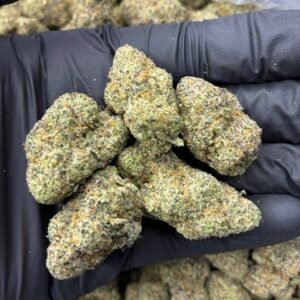
White Zlushie Weed Strain
Price range: $175.00 through $800.00 Select options This product has multiple variants. The options may be chosen on the product page
Persy Snow Caps
Price range: $150.00 through $800.00 Select options This product has multiple variants. The options may be chosen on the product page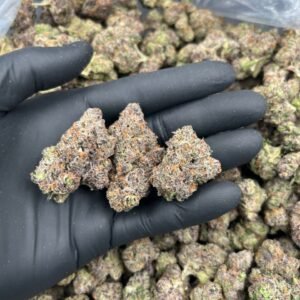
Blue Gotti Strain
Price range: $200.00 through $950.00 Select options This product has multiple variants. The options may be chosen on the product page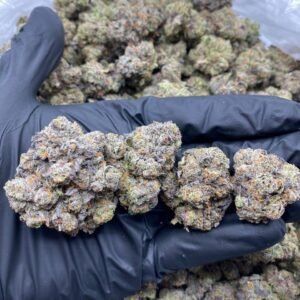
Banana Sherbert Strain
Price range: $125.00 through $700.00 Select options This product has multiple variants. The options may be chosen on the product page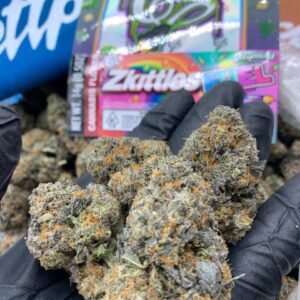
Zkittlez Strain
Price range: $200.00 through $1,400.00 Select options This product has multiple variants. The options may be chosen on the product page
Warhead Strain
Price range: $200.00 through $1,000.00 Select options This product has multiple variants. The options may be chosen on the product page
Crypto Gelato Strain
Price range: $150.00 through $800.00 Select options This product has multiple variants. The options may be chosen on the product page
Bubblegum Cherries Strain
Price range: $150.00 through $1,200.00 Select options This product has multiple variants. The options may be chosen on the product page
Cherry Taffy Strain
Price range: $200.00 through $950.00 Select options This product has multiple variants. The options may be chosen on the product page
Reviews
There are no reviews yet.