
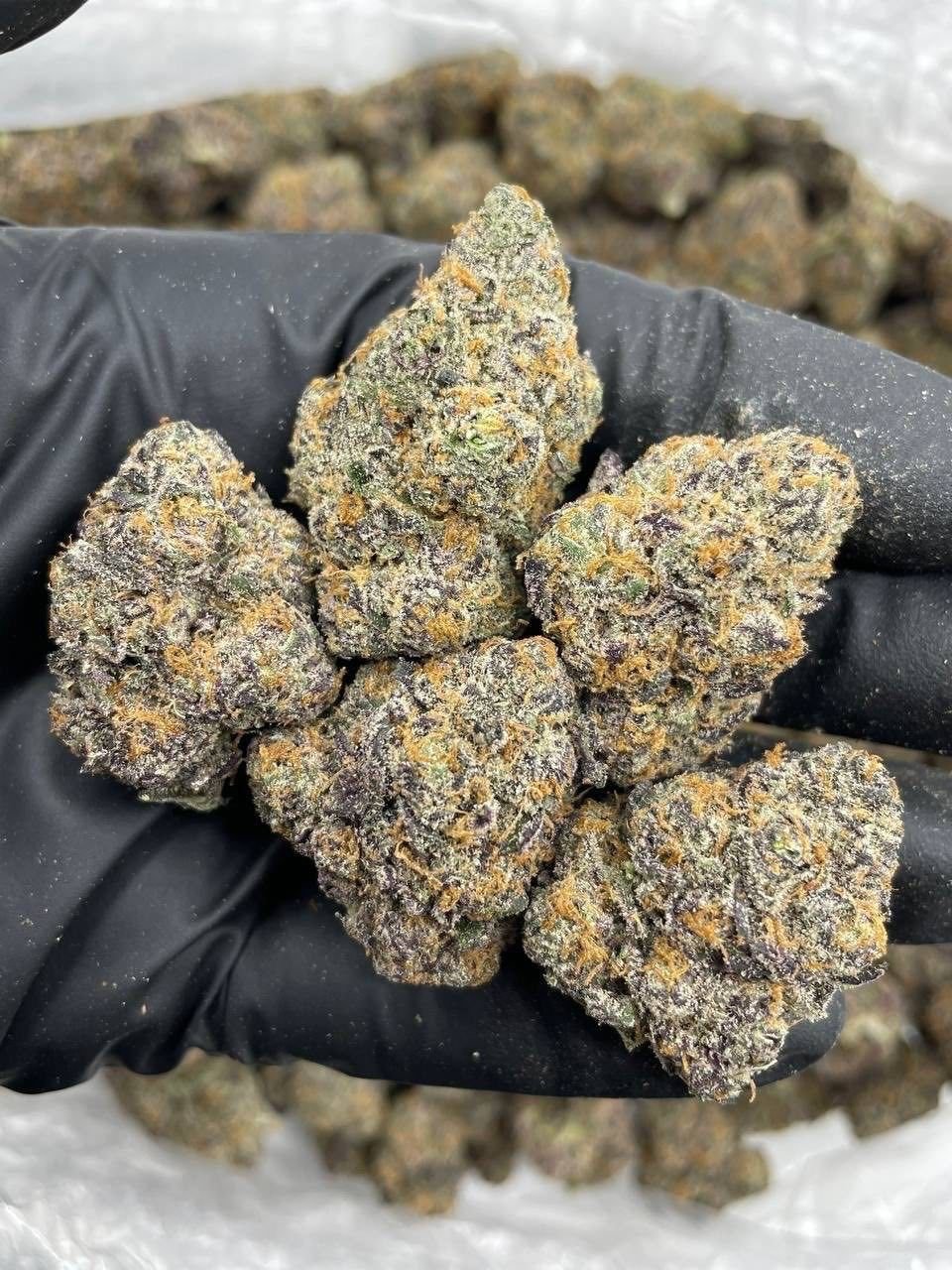
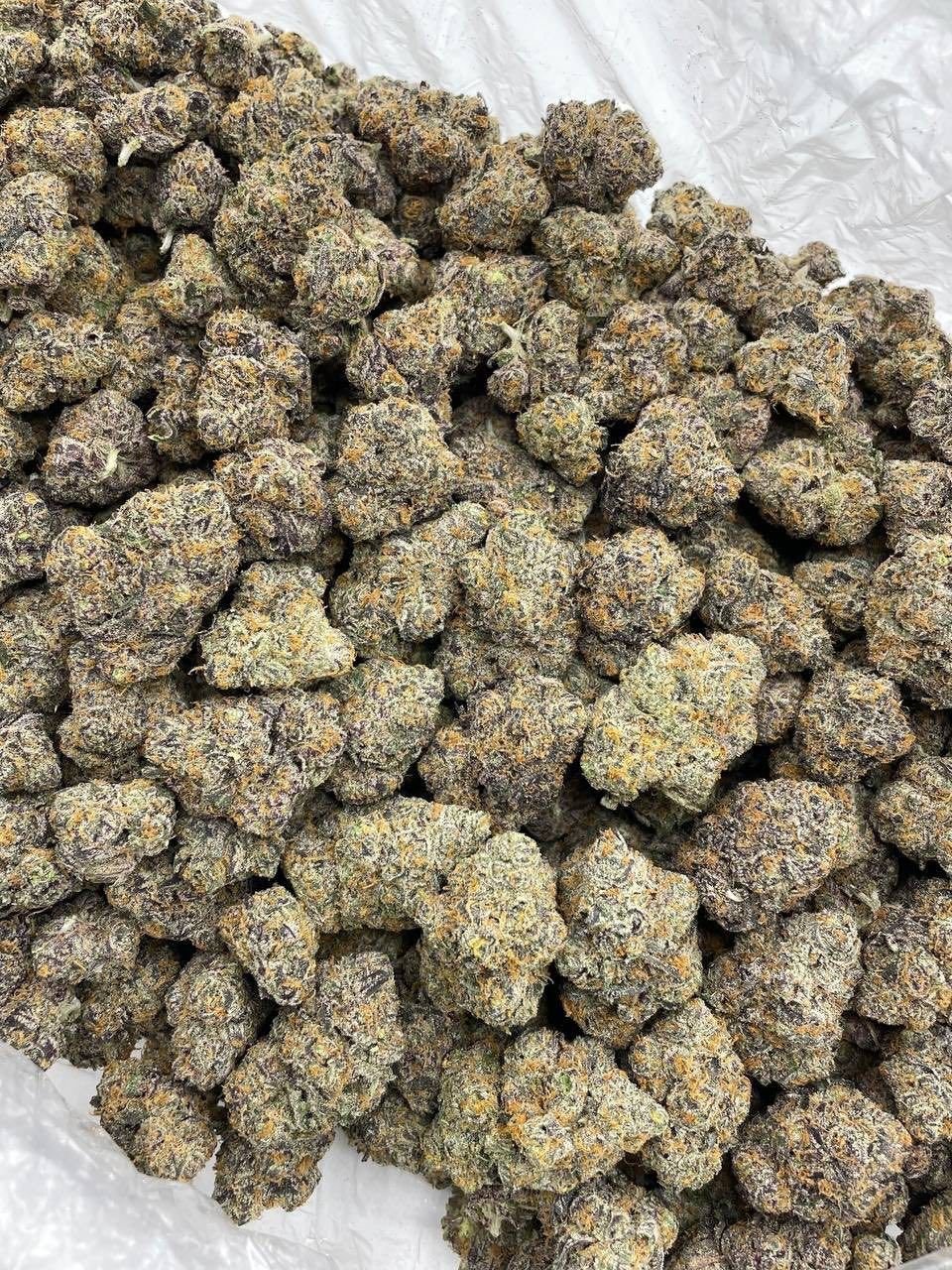
Cherry Sour Patch Candy
Price range: $200.00 through $950.00
Cherry Sour Patch Candy is a cherry-flavored sour gummy candy that starts with a tangy sour coating and finishes with a sweet, chewy cherry taste.
The Ultimate Guide to Cherry Sour Patch Candy: History, Flavor, Where to Buy, and Why It’s the Best Sour Treat on the Planet
Cherry Sour Patch Candy onto your tongue. First, the assault: a crystalline barrage of sour sugar that makes your salivary glands panic and your eyes water slightly. Then, the surrender: a sweet, jammy wave of authentic cherry flavor that floods your palate and transforms the experience from a challenge into a reward. Finally, the chew: that unmistakable, slightly elastic gummy texture that lets you drag out the pleasure until the very last grain of sugar dissolves.
If you have found your way to this guide, you already know that Cherry Sour Patch Candy is not just another red gummy in a bag of mixed Sour Patch Kids. For many candy lovers, it is the only reason to buy the assorted bag. It is the flavor that disappears first at parties, the one that gets fought over during movie nights, and the specific variety that has launched a thousand Reddit threads begging the manufacturer to release a standalone bag.
But here is the problem: finding reliable, in-depth information about this specific flavor is surprisingly difficult. Most articles lump it in with general Sour Patch Kids content. They do not address the unique chemistry of the cherry sour coating. They do not explain why this particular flavor dominates the original mix. They certainly do not tell you where to find it in bulk, how to use it in gourmet recipes, or whether the ingredients align with your dietary restrictions.
This guide was built to change that. Whether you are here to settle a bet about the flavor ranking of Sour Patch Kids, trying to source Cherry Sour Patch Candy for a wedding candy bar, or simply looking to understand why your brain craves that specific sour-sweet cherry contrast, you are about to read the most comprehensive resource on the internet. We are going deep into the flavor science, the history of sour cherry confections, the complete nutritional breakdown, the best places to buy online and offline, creative culinary uses, and the cultural phenomenon that has made this little red candy a legend in its own right.
By the end of this article, you will not only be an expert on Cherry Sour Patch Candy, but you will also know exactly how to find the best deals, how to spot fresh inventory, and how to leverage this iconic treat for your next event, recipe, or personal stash.
What Cherry Sour Patch Candy?
Cherry Sour Patch Candy is a cherry-flavored sour gummy candy that starts with a tangy sour coating and finishes with a sweet, chewy cherry taste. It’s part of the Sour Patch Kids family, known for the “sour then sweet” experience and its playful fruit-shaped design
Cherry Sour Patch Candy belongs to the Sour Patch Kids family, a brand originally created by the confectionery company Jaret International and now manufactured by Mondelez International. While the “Kids” moniker refers to the vaguely humanoid shape of the gummies—complete with little heads, torsos, arms, and legs—the Cherry variety is instantly recognizable by its deep, ruby-red coloration. In the original assorted mix, the red pieces are the cherry flavor, and they are almost universally acknowledged as the most popular color in the bag.
The candy itself is a starch-molded gummy, which means it is created by depositing a liquid candy slurry into cornstarch molds. This process gives the candy its signature soft, yielding chew rather than the rubbery bounce of gelatin-heavy gummies. The base is primarily sugar, corn syrup, and modified corn starch, with gelatin providing the structure and citric acid providing the signature tartness.
What sets the Cherry variety apart from its lime, lemon, orange, and blue raspberry siblings is the specific flavor profile. While the other flavors tend toward the bright, citrusy, or artificial fruit end of the spectrum, the cherry Sour Patch delivers a darker, more robust fruit note. It is not the medicinal, cough-syrup cherry that plagues lesser cherry candies. Instead, it offers a rounded, almost black-cherry sweetness with a tart top note that mimics the slight acidity of real ripe cherries.
The sour coating is another critical differentiator. Unlike some sour candies that use a wet sour spray that fades within seconds, Cherry Sour Patch Candy is coated in a substantial layer of sour sugar—primarily a combination of sugar and citric acid, sometimes with malic acid for extra punch. This coating is granular and substantial. It creates an audible scratch against your teeth when you first bite down, and it dissolves in stages, meaning the sourness does not vanish immediately but rather fades gradually into the sweet cherry base.
The Anatomy of a Single Piece
If you were to examine a single Cherry Sour Patch Kid under magnification, you would notice three distinct zones:
- The Exoskeleton: The outer layer of sour sugar and crystallized acid. This is where the initial shock of sourness lives. It is porous, which allows saliva to begin penetrating the candy immediately, starting the flavor release.
- The Gummy Matrix: The main body of the candy. This layer has a slightly different texture than the exterior—smoother, denser, and more elastic. It holds the cherry flavoring and the bulk of the sweetness.
- The Core: While not a liquid center, the very middle of a Cherry Sour Patch Kid often has a slightly softer, more concentrated flavor profile because the starch-molding process can create minor density variations. Many enthusiasts claim the “belly” of the Kid tastes sweeter than the extremities, though this may be partially psychological.
Understanding this three-layer architecture explains why the eating experience is so dynamic. It is not a static flavor; it is a timed release mechanism designed to trigger dopamine at multiple intervals.
The History of Sour Cherry Confections and the Rise of Sour Patch Kids
To truly appreciate Cherry Sour Patch Candy, you need to understand the lineage from which it descends. Sour candies are not a modern invention, and cherry flavoring has been seducing candy lovers for well over a century.
The Prehistory of Sour Candy
Human beings have been combining sour and sweet flavors since ancient times. In many cultures, unripe fruit was dipped in honey. In medieval Europe, sour berries were preserved in sugar syrups. However, the modern concept of “sour candy” as a confectionery category really took shape in the 20th century with the popularization of citric acid as a food additive.
Citric acid, originally isolated from lemon juice but later produced via mold fermentation of molasses (primarily using Aspergillus niger), became commercially viable in the early 1900s. Confectioners quickly realized that coating sweets in acid-sugar blends created a novel sensory experience that stood in stark contrast to the pure sweetness of traditional chocolates and caramels.
By the 1950s and 1960s, sour candies began appearing in earnest. Warheads, Toxic Waste, and eventually Sour Patch Kids would define the category, but the groundwork was laid by earlier treats like sour lemon drops and acid-coated hard candies.
The Birth of Sour Patch Kids
The Sour Patch Kids brand was created in the early 1970s by Frank Galatolie, a confectioner working for Jaret International. Originally, the candy was called “Mars Men,” a name chosen to capitalize on the public fascination with space and aliens during the era of the space race. The original shape was indeed alien-like, which explains the somewhat unusual, non-specific humanoid form.
In the mid-1980s, the brand was rebranded as Sour Patch Kids, likely to align with the Cabbage Patch Kids craze that was sweeping North America at the time. The rebranding was a massive success. The candy was introduced to the United States market and quickly found a foothold among children and teenagers who were drawn to its aggressive sourness and playful shape.
Why Cherry Became the Crown Jewel
From the very first assorted bags, cherry was included as the red flavor. At the time, the other flavors were lemon (yellow), lime (green), and orange (orange). Blue raspberry was added later to replace lime in some markets, a move that candy historians often cite as controversial but commercially savvy.
Cherry established itself as the dominant flavor for several reasons. First, red is psychologically the most appetizing color in confectionery. Studies in food marketing consistently show that red candies are perceived as sweeter and more flavorful than identically flavored candies of other colors. Second, cherry occupies a unique space in the American palate—it is associated with classic desserts (cherry pie, cherry cola, cherry cordials) while also feeling youthful and fun.
By the 1990s, an informal hierarchy had emerged among Sour Patch Kids fans. The red cherry pieces were the gold standard. Opening a bag and finding that someone had already picked out all the red ones was a universal childhood betrayal. This demand eventually led Mondelez to release standalone bags of specific flavors, including cherry, though availability has historically been sporadic and region-dependent.
The Flavor Science: Why Cherry Sour Patch Candy Tastes So Addictive
There is a reason you cannot eat just one Cherry Sour Patch Candy, and it is not willpower. It is neuroscience. The experience of eating this candy triggers a complex cascade of sensory and chemical reactions that make it uniquely habit-forming.
The Sour-Sweet Paradox
Human taste evolved to detect sourness as a potential indicator of spoilage or unripe fruit. When we encounter a strong sour stimulus, our brain releases a small jolt of cortisol and adrenaline—the same mild stress response we get from a roller coaster or a horror movie. It is a controlled threat. When that sourness is immediately followed by a flood of sugar, the brain interprets the sequence as a problem solved, a danger averted, a reward earned.
This sour-to-sweet transition creates a more potent dopamine release than sugar alone. In behavioral psychology, this is known as a variable reward schedule, except in this case, the “variable” is not random—it is precisely engineered. You know the sweet is coming, but the timing and intensity create a satisfaction loop that encourages you to reach for the next piece to repeat the experience.
Cherry Flavor Chemistry
The cherry flavor used in Sour Patch Candy is not derived from actual cherries. Like most mass-market cherry confections, it relies on a carefully calibrated blend of natural and artificial flavor compounds. The primary molecules responsible for that recognizable cherry note are:
- Benzaldehyde: This is the dominant compound. It has an almondy, maraschino-cherry aroma. In nature, it is found in cherry pits and almonds. In candy, it provides that bold, unmistakable cherry top note.
- Esters (such as ethyl acetate and benzyl acetate): These add fruity, sweet, slightly floral undertones that round out the benzaldehyde and prevent it from tasting too much like almond extract.
- Vanillin: Often used in trace amounts to add warmth and depth, mimicking the cooked-cherry notes found in pies and preserves.
- Acidulants (Citric and Malic Acid): These do not just provide sourness; they modify the perception of sweetness. By lowering the pH of your saliva temporarily, they make the subsequent sugar taste sweeter by contrast.
The specific ratio of these compounds in Cherry Sour Patch Candy is what separates it from competitors. Many cheap cherry gummies rely almost entirely on benzaldehyde, resulting in a one-note, medicinal flavor. The Sour Patch formula uses a more complex blend that includes darker fruit esters, creating a cherry flavor that reads as “jammy” rather than “cough syrup.”
Texture as a Flavor Delivery System
Texture is an underrated component of flavor perception. The chew of a Cherry Sour Patch Kid is specifically calibrated to release flavor over a 20-to-30-second window. If it were too soft, it would dissolve instantly, and the sour-sweet contrast would collapse. If it were too tough, the flavor release would be too slow, and the eater would grow bored or frustrated.
The modified food starch used in the formula creates what food scientists call a “short chew”—it is elastic but not rubbery. It yields to the teeth without requiring tearing or excessive mastication. This means the candy breaks down into smaller pieces quickly, increasing the surface area exposed to your taste buds and accelerating flavor perception without making the experience too brief.
The Role of Color Psychology
Do not underestimate the power of that deep red hue. Color accounts for a significant percentage of our flavor identification. If you were blindfolded and given a green cherry-flavored gummy, your brain would struggle to identify it as cherry. The red color of Cherry Sour Patch Candy primes your brain to expect cherry, and it delivers.
Moreover, red is associated with intensity, passion, and appetite stimulation. In the context of a mixed bag of Sour Patch Kids, the red pieces visually pop against the yellow, orange, green, and blue pieces. They draw the eye first. They look like they will taste the strongest, and thanks to the benzaldehyde-heavy formulation, they often do.
Complete Ingredients and Nutritional Breakdown
For health-conscious consumers, parents monitoring their children’s sugar intake, or individuals with dietary restrictions, understanding exactly what goes into Cherry Sour Patch Candy is essential. While candy is never a health food, knowing the specifics allows for informed indulgence.
Full Ingredient List
The ingredient list for Cherry Sour Patch Candy (and Sour Patch Kids in general) is relatively straightforward for a mass-produced confection, though it contains several ingredients that merit explanation:
- Sugar: The primary ingredient. Provides sweetness and structure.
- Invert Sugar: A mixture of glucose and fructose created by hydrolyzing sucrose. It prevents crystallization and helps keep the candy soft and chewy.
- Corn Syrup: Adds sweetness and contributes to the glossy, smooth texture of the gummy base.
- Modified Corn Starch: This is the main gelling agent and texture modifier. It creates the distinctive chew without making the candy rubbery.
- Citric Acid: Provides the primary sour punch. Also acts as a preservative by lowering pH.
- Tartaric Acid: Often used alongside citric acid to provide a different dimension of sourness—more grape-like and lingering.
- Natural and Artificial Flavors: The proprietary blend that creates the cherry taste.
- Artificial Color (Red 40): Gives the candy its signature ruby color. Also known as Allura Red AC.
- Titanium Dioxide (in some regional formulations): Historically used for opacity and color vibrancy, though this has been phased out in many markets due to regulatory changes.
It is worth noting that formulations can vary slightly by country. European versions of Sour Patch Kids, for example, may use different colorants due to stricter regulations on artificial dyes.
Nutrition Facts (Per Standard Serving)
A typical serving size is about 16 pieces (approximately 30 grams). Here is the approximate nutritional breakdown:
| Nutrient | Amount Per Serving |
|---|---|
| Calories | 110–120 kcal |
| Total Fat | 0g |
| Sodium | 10–15mg |
| Total Carbohydrates | 27–28g |
| Sugars | 20–22g |
| Protein | 0g |
Key Observations:
- Fat-Free: Like most gummy candies, Cherry Sour Patch Candy contains no fat. However, “fat-free” does not mean calorie-free or healthy. The high sugar content can still spike blood glucose levels.
- High Glycemic Impact: With nearly 22 grams of sugar per small serving, this candy will cause a rapid rise in blood sugar. Diabetics and those monitoring their glucose should consume with caution.
- No Protein or Fiber: There are no mitigating macronutrients to slow absorption. The sugar hits fast.
Dietary Considerations and Allergens
Gluten: Sour Patch Kids are generally considered gluten-free. The ingredients do not include wheat, barley, or rye. However, they are not always certified gluten-free, which means there is a possibility of cross-contamination in facilities that also process wheat products. Those with celiac disease should check packaging for certification symbols.
Vegan/Vegetarian Status: This is where it gets complicated. The ingredient list does not explicitly list gelatin, which is the primary non-vegan ingredient in many gummy candies. Instead, Sour Patch Kids use modified corn starch as the gelling agent. However, some formulations in certain markets have been found to contain gelatin. Additionally, sugar processed in North America is sometimes filtered through bone char, which strict vegans avoid. The natural flavors could also potentially derive from animal sources. As of recent formulations in the United States, many vegans consider Sour Patch Kids “accidentally vegan,” but those with strict ethical dietary requirements should contact the manufacturer directly.
Nut Allergies: Sour Patch Kids do not contain peanuts or tree nuts as ingredients. However, they are manufactured in facilities that may process nuts. The packaging typically includes a statement about shared equipment.
Kosher and Halal: Some varieties of Sour Patch Kids are certified kosher, but not all. Similarly, halal status depends on the specific formulation and market. The potential presence of gelatin (porcine or non-halal bovine) in some regional productions makes this a case-by-case issue.
The Complete Cherry Sour Patch Catalog: Varieties, Sizes, and Limited Editions
While most people think of Cherry Sour Patch Candy as simply “the red ones in the bag,” the product actually exists across a surprisingly diverse range of formats and product lines. Knowing the full catalog can help you find the exact format that suits your needs, whether you are stocking a pantry or planning an event.
The Original Assorted Bag
This is where it all started. The original Sour Patch Kids bag contains cherry (red), lemon (yellow), lime (green), orange (orange), and blue raspberry (blue). The cherry pieces typically constitute about 20–25% of the bag by volume. For many fans, this bag is an exercise in self-control—can you eat the other flavors while saving the cherry ones for last? (Most people fail.)
Standalone Cherry Bags
The holy grail for cherry enthusiasts. Mondelez has released all-red (all-cherry) bags in various sizes, from small peg bags to large resealable pouches. Availability fluctuates wildly. These bags are often seasonal or tied to specific retailers. When they appear on shelves, they tend to sell out quickly, which has created a robust secondary market online where prices can surge well above MSRP.
Sour Patch Kids Extreme
The Extreme line dials up the sourness with a double coating of sour sugar and an extra hit of malic acid. The cherry pieces in the Extreme mix are not for the faint of heart. They deliver a sourness that borders on painful, followed by an equally intense sweet cherry payoff. If you find standard Cherry Sour Patch Candy too tame, Extreme is your next step.
Sour Patch Kids Freeze Pops and Frozen Variants
While not a gummy, the cherry flavor has been extended into frozen novelties. These offer a different texture experience—icy and slushy rather than chewy—but replicate the familiar sour-sweet cherry flavor profile.
Sour Patch Kids Cereal
Yes, this exists. Post Consumer Brands released a Sour Patch Kids cereal that included cherry-flavored pieces among the other colors. The cereal version is milder in sourness and crunchier, but it speaks to the dominance of the cherry flavor that it was included as a core component.
International and Regional Variations
In the United Kingdom and some European markets, Sour Patch Kids are sold under slightly different formulations. The sourness level is often toned down to suit local palates, and the cherry flavor may read as slightly more floral or less acidic than the North American version. Canadian formulations are generally identical to U.S. versions.
Bulk and Foodservice Sizes
For the true devotee, Cherry Sour Patch Candy can be purchased in bulk. Foodservice distributors offer five-pound bags, ten-pound cases, and even larger quantities intended for movie theaters, candy shops, and event planners. Buying in this format requires careful storage planning, as the sour sugar coating can absorb moisture and become sticky if not kept in airtight containers with desiccants.
The Sensory Ritual: How to Eat Cherry Sour Patch Candy for Maximum Enjoyment
You might think there is no “wrong” way to eat a gummy candy. You would be technically correct, but you would also be missing out. The experienced Cherry Sour Patch enthusiast understands that this candy rewards intentionality. The method of consumption alters the flavor release, the textural experience, and even the emotional satisfaction.
The Classic Chew
This is the default method: unwrap (or reach into the bag), place one or two pieces in your mouth, and chew. With Cherry Sour Patch Candy, the Classic Chew delivers the standard sour-to-sweet arc in about 15 seconds. It is efficient, satisfying, and allows you to consume a large quantity in a short time. However, it is also the method that most quickly deadens your palate. After five or six pieces, the sour receptors on your tongue begin to fatigue, and the experience becomes monotonous.
The Slow Dissolve
For the purist. Place a single Cherry Sour Patch Kid on your tongue and do not chew. Let the sour sugar coating dissolve completely. This takes about 30 to 45 seconds and delivers the most intense sour experience possible because the acids are bathing your taste buds in a concentrated solution. Once the coating is gone, begin gently pressing the gummy against the roof of your mouth with your tongue. The cherry flavor will seep out gradually. The texture will slowly break down. This method turns a 20-cent piece of candy into a five-minute meditation on flavor. It is also the best way to appreciate the complexity of the cherry flavoring without the distraction of rapid mastication.
The Bite-and-Savor
Bite the candy in half, but do not chew the halves immediately. Let the exposed interior sit on your tongue. Because the interior lacks the sour coating, you get a preview of the sweet center before the sour notes catch up. This method highlights the contrast between the acidic exterior and the jammy interior better than any other approach.
The Freezer Method
Place your Cherry Sour Patch Candy in the freezer for 30 to 60 minutes. The cold temperature hardens the gummy slightly, giving it a more substantial, taffy-like chew. The cold also slightly numbs your tongue, which paradoxically makes the sourness feel sharper while the sweetness feels delayed. The texture becomes more resistant, which can be deeply satisfying for those who find room-temperature gummies too soft. Do not freeze for longer than an hour, or the candy can become unpleasantly hard and may crack your teeth.
The Microwave Experiment
A more dangerous and controversial method. Microwaving Cherry Sour Patch Candy for 5 to 8 seconds softens it into a warm, pliable mass that is halfway between a gummy and a fruit leather. The heat intensifies the aroma molecules, making the cherry smell more potent. However, the sour sugar can melt slightly, creating a sticky, molten surface that can burn the roof of your mouth. Proceed with caution, but know that a properly warmed Cherry Sour Patch Kid is a unique experience—like cherry pie filling wrapped in a chewy matrix.
The “Dust” Technique
Some fans save the sour sugar dust that accumulates at the bottom of the bag. This dust is essentially pure citric acid and sugar. It can be used to coat other foods, rim a cocktail glass, or simply eaten as a sour shot. If you are buying Cherry Sour Patch Candy in bulk, you will accumulate significant quantities of this dust. It is the concentrated essence of the candy’s initial impact.
Gourmet and Creative Uses for Cherry Sour Patch Candy
Cherry Sour Patch Candy is not merely a snack. It is an ingredient. Its combination of sour, sweet, chewy, and visually striking red makes it a versatile component in desserts, beverages, and even savory applications. If you want to elevate your culinary game or simply impress guests at your next gathering, consider these creative uses.
Cherry Sour Patch Infused Vodka
This is perhaps the most popular adult-oriented use for the candy. The process is simple but requires patience.
Ingredients:
- 1 cup Cherry Sour Patch Candy
- 750 ml plain vodka (mid-shelf is fine; the candy will dominate the flavor)
Method:
- Place the candy in a large mason jar.
- Pour the vodka over the candy.
- Seal and let sit at room temperature for 24 to 48 hours, shaking gently every 12 hours.
- The candy will dissolve almost completely, leaving a brilliant red, slightly viscous liquid.
- Strain through cheesecloth to remove any undissolved solids.
The resulting infusion tastes like cherry lemonade with a alcoholic kick. It works beautifully in cocktails. The sourness of the candy balances the neutrality of the vodka, meaning you need little to no additional mixer. Serve over ice with a splash of soda water and a fresh lime wedge.
Cherry Sour Patch Cupcake Toppers
Bake a batch of vanilla or chocolate cupcakes. Instead of traditional frosting decorations, press one or two Cherry Sour Patch Kids into the frosting at an angle. The red color pops against white buttercream, and the sour-sweet flavor cuts through the richness of the cake. For a more integrated approach, chop the candies into small pieces and fold them into cupcake batter. Be aware that the acid in the candy can react slightly with baking soda, potentially creating a more tender crumb.
Cherry Sour Patch Ice Cream or Gelato
Chop Cherry Sour Patch Candy into small, pea-sized pieces. Fold them into softened vanilla ice cream and refreeze. The cold hardens the gummies, giving them a pleasant chew similar to frozen fruit. The sour sugar creates little pockets of tartness in the sweet cream. For a more sophisticated version, make a cherry sour patch syrup by melting the candies with a small amount of water, then swirl it into homemade ice cream base before churning.
Cherry Sour Patch Popcorn
Make a batch of plain popcorn (air-popped works best). Melt white chocolate or candy melts and drizzle over the popcorn. While the coating is still wet, toss in chopped Cherry Sour Patch Candy and a handful of dried cherries. The combination of salty popcorn, sweet white chocolate, and sour cherry candy is addictive and makes an excellent movie-night snack.
Cherry Sour Patch Glaze for Meats
This sounds bizarre, but the principle is sound. Sweet-and-sour glazes are standard in many cuisines. Melt Cherry Sour Patch Candy with soy sauce, rice vinegar, garlic, and a touch of ginger. Reduce until syrupy. Brush onto grilled chicken wings or pork ribs during the final minutes of cooking. The candy provides sugar for caramelization, citric acid for tang, and cherry flavor for complexity. It is a conversation starter, and it genuinely tastes good.
Cherry Sour Patch Milkshakes
Blend vanilla ice cream, milk, and a handful of Cherry Sour Patch Candy until smooth. The candy will not fully dissolve, leaving tiny red flecks and a pronounced cherry flavor throughout the shake. Top with whipped cream and a skewer of whole Cherry Sour Patch Kids. This is a social media-worthy dessert that delivers on flavor as well as aesthetics.
Baking Considerations
When baking with Cherry Sour Patch Candy, temperature is your enemy. The melting point of the gummy base is relatively low. If exposed to oven temperatures above 300°F (150°C) for extended periods, the candy will melt completely and potentially burn. If using in cookies, add the candy pieces in the last 2 to 3 minutes of baking, or use them exclusively as a post-bake decoration.
Where to Buy Cherry Sour Patch Candy: The Definitive Shopping Guide
Finding Cherry Sour Patch Candy should be easy, but as any fan knows, it can be frustratingly difficult to locate specific flavors, especially if you want standalone cherry bags or bulk quantities. This section breaks down every viable purchasing channel, along with tips for getting the freshest product at the best price.
Brick-and-Mortar Retailers
Grocery Stores and Supermarkets
Major chains like Walmart, Target, Kroger, and Safeway consistently stock the assorted Sour Patch Kids bags in the candy aisle. Standalone cherry bags appear seasonally, usually around Valentine’s Day, Halloween, and the winter holidays. Check end caps and seasonal displays, as limited flavors are rarely shelved with the main candy assortment.
Convenience Stores and Gas Stations
7-Eleven, Wawa, Circle K, and similar chains carry peg bags near the register. The turnover here is high, meaning the candy is usually fresh. However, prices per ounce are significantly higher than grocery stores. This is your best bet for impulse purchases, not bulk stocking.
Movie Theaters
AMC, Regal, and Cinemark typically carry Sour Patch Kids in large theater boxes. The cherry pieces will be in the assorted mix. Theater pricing is premium, but the nostalgic experience of eating them during a film may justify the cost.
Dollar Stores and Discount Retailers
Dollar Tree, Family Dollar, and Five Below sometimes carry smaller, off-size bags. Check expiration dates carefully, as inventory turnover can be slower. You may find older formulations or bags that have been sitting in warm warehouses, which can degrade the texture.
Specialty Candy Shops
Local candy stores, particularly those with bulk bins, are excellent sources. You can often buy Cherry Sour Patch Candy by weight, choosing exactly how much you want. The freshness is usually superior because these shops rotate stock more carefully than big-box stores.
Online Retailers
Amazon
Amazon offers the widest selection, including assorted bags, standalone cherry bags (when available), bulk sizes, and international versions. Be cautious about third-party sellers. Check reviews for mentions of stale product, melted candies, or counterfeit goods. Look for “Ships from Amazon.com” or buy directly from the Mondelez store page when possible. Subscribe & Save options can lower the per-bag cost by 5–15%.
Walmart.com and Target.com
Both retailers offer online ordering with in-store pickup or delivery. Their online inventory sometimes includes sizes not carried in physical locations, such as party-size resealable bags. Shipping is generally reliable, and the product is less likely to sit in a hot warehouse than with some third-party Amazon sellers.
Bulk Candy Retailers (CandyStore.com, Oh! Nuts, BulkFoods.com)
These specialty e-commerce sites cater to events and businesses. They offer Cherry Sour Patch Candy in five-pound bags, ten-pound cases, and even full master cases. Prices per pound drop significantly at volume. Most of these retailers understand candy storage and ship with appropriate packaging. This is the best route for weddings, corporate events, or serious personal stockpiling.
eBay and Etsy
For discontinued or international variations, eBay is a viable option. Etsy sellers sometimes offer Cherry Sour Patch Candy as part of gift baskets or party favor packages. Prices are inflated, but these platforms are useful for finding flavors no longer in general distribution.
Costco and Sam’s Club
Warehouse clubs stock oversized bags, usually containing multiple standard bags bundled together. The per-ounce price is excellent. However, they rarely carry flavor-specific assortments. If you are willing to buy massive quantities of the assorted mix and pick out the cherry pieces yourself, this is a cost-effective strategy.
How to Ensure Freshness
Gummy candy does not “spoil” in the traditional sense, but it degrades. Old Cherry Sour Patch Candy becomes hard, loses its sour coating, and develops a stale, cardboard-like flavor. To ensure you are getting the best product:
- Check the “Best By” Date: Look for dates at least six months in the future. The closer to the manufacturing date, the softer the chew and the more potent the sour coating.
- Inspect the Packaging: Bags should be sealed tightly with no air leaks. If the bag feels soft or the candies seem stuck together in a clump, moisture has likely compromised the sour sugar.
- Avoid Summer Shipping Woes: If ordering online during hot months, choose expedited shipping. Gummy candies left in hot delivery trucks can melt and re-solidify into a single, grainy mass.
- Buy Seasonally: The freshest standalone cherry bags appear in stores about four weeks before major holidays. This is when Mondelez pushes new inventory.
Price Comparison Overview
| Retailer Type | Typical Price Per Ounce | Best For |
|---|---|---|
| Convenience Store | $0.80 – $1.20 | Immediate cravings |
| Grocery Store | $0.40 – $0.60 | Regular purchases |
| Amazon (Bulk) | $0.25 – $0.35 | Subscription delivery |
| Warehouse Club | $0.20 – $0.30 | Large families/events |
| Specialty Bulk Online | $0.30 – $0.50 | Specific flavor needs |
DIY Cherry Sour Patch Candy: Can You Make Them at Home?
For the truly dedicated enthusiast, the question eventually arises: can I make these at home? The answer is yes, but with caveats. Replicating the exact texture and sour punch of commercial Cherry Sour Patch Candy requires specific ingredients and equipment that most home kitchens lack. However, you can create a very respectable homage.
The Challenge of Starch Molding
Commercial Sour Patch Kids are made using moguls—machines that deposit liquid candy into trays of cornstarch. The starch absorbs moisture and creates the matte, slightly porous surface that holds the sour sugar so effectively. At home, you will likely use silicone molds or a sheet pan cut into shapes. This works, but the texture will be smoother and slightly denser than the original.
Homemade Cherry Sour Patch Gummies Recipe
Ingredients for the Gummy Base:
- 1 cup tart cherry juice (not sweetened; the tartness helps mimic the sour profile)
- ½ cup granulated sugar
- 2 tablespoons corn syrup
- 3 tablespoons unflavored gelatin (or agar-agar for a vegetarian version, though the texture will differ)
- 1 teaspoon citric acid
- ½ teaspoon cherry extract (or almond extract for a more maraschino-like flavor)
- Red food coloring (optional)
Ingredients for the Sour Coating:
- ½ cup granulated sugar
- 2 tablespoons citric acid
- 1 tablespoon powdered freeze-dried cherry (for flavor and color)
Method:
- In a small saucepan, gently warm the cherry juice. Do not boil.
- Whisk in the gelatin slowly to avoid clumping. Let bloom for 5 minutes.
- Add sugar, corn syrup, and citric acid. Heat over medium-low, stirring until everything dissolves completely.
- Remove from heat. Stir in cherry extract and food coloring.
- Pour into silicone molds (or a parchment-lined 8×8 pan). Refrigerate for at least 2 hours until fully set.
- Remove from molds. If using a pan, cut into rectangles or use a small cookie cutter.
- Toss the gummies in the sour coating mixture while they are still slightly tacky. If they have dried too much, lightly spritz with water using a spray bottle before coating.
- Let cure at room temperature for 24 hours. This allows the surface to dry slightly and the texture to firm up.
The Verdict on Homemade Versions
Your homemade Cherry Sour Patch Candy will taste fresher and more “real” because you are using actual cherry juice. However, it will lack the specific chew of the commercial version. The corn syrup and modified starch combination used by Mondelez is difficult to replicate without industrial ingredients. The sour coating will also be more volatile—citric acid is hygroscopic, meaning it absorbs moisture from the air. Your homemade sour sugar may weep or become damp after a day or two unless stored with desiccants.
Still, making them at home is a fun project, and it gives you control over the ingredients. You can use natural colorants, adjust the sourness to your preference, and experiment with flavor additions like vanilla, cinnamon, or even a pinch of salt.
Cherry Sour Patch Candy vs. The Competition: How It Stacks Up
The sour gummy market is crowded. To understand why Cherry Sour Patch Candy deserves its legendary status, it helps to see how it compares to its closest rivals.
Cherry Sour Patch vs. Trolli Sour Brite Crawlers (Cherry)
Trolli’s cherry gummies are part of their worm assortment. The cherry flavor in Trolli products tends to be brighter and more artificial, leaning into a candy-cane sweetness rather than the jammy depth of Sour Patch. The texture of Trolli gummies is also firmer and more rubbery. Where Cherry Sour Patch Candy yields and melts, Trolli snaps back. The sour coating on Trolli worms is also thinner and less aggressive.
Winner: Cherry Sour Patch Candy, for superior flavor complexity and a more satisfying chew.
Cherry Sour Patch vs. Haribo Z!NG Sour Cherries
Haribo’s sour cherry offering comes in paired shapes—two cherries connected by a stem. The flavor is excellent, closer to a real black cherry than Sour Patch’s maraschino profile. However, Haribo uses a much denser, tougher gelatin structure. Eating more than a few can leave your jaw tired. The sourness is also more restrained, appearing as a light dusting rather than the abrasive coating on Sour Patch Kids.
Winner: Tie. Haribo wins on authentic cherry flavor, but Cherry Sour Patch wins on texture and sour intensity.
Cherry Sour Patch vs. Airheads Xtremes Bites (Cherry)
Airheads Xtremes are belt-like strips rather than molded gummies. The cherry flavor is sharp and pleasant, but the format is completely different. The belts are chewy and pliable but lack the three-layer architecture of a Sour Patch Kid. The sour sugar is embedded throughout the belt rather than concentrated on the exterior, which means there is less of a flavor arc.
Winner: Cherry Sour Patch Candy, for the dynamic sour-to-sweet transition.
Cherry Sour Patch vs. Albanese Sour Gummy Cherries
Albanese is beloved in candy circles for their intense flavors and soft texture. Their sour gummy cherries are larger than Sour Patch Kids and have a more pronounced fruit flavor. However, they are often considered “sweet-tart” rather than truly sour. The acid level is dialed back to appeal to a broader audience. If you want a gentle introduction to sour cherry gummies, Albanese is ideal. If you want the full sour assault, stick with Sour Patch.
Winner: Cherry Sour Patch Candy, for sour candy purists.
Cherry Sour Patch vs. Other Sour Patch Flavors
Within the Sour Patch Kids universe, how does cherry rank? While taste is subjective, decades of informal polling, social media discourse, and sales data suggest a clear hierarchy:
- Cherry (Red): The universal favorite. Rich, bold, and satisfying.
- Blue Raspberry (Blue): A close second, especially among younger consumers who favor the electric color and aggressive flavor.
- Lemon (Yellow): Clean and citrusy, but sometimes considered one-dimensional.
- Orange (Orange): Pleasant but often described as “safe” or “boring.”
- Lime (Green): Polarizing. Many fans were devastated when lime was removed from some assortments in favor of blue raspberry.
Cherry’s dominance is so established that it is the flavor most likely to be picked out of a mixed bag first, creating the “empty bag of only greens and oranges” phenomenon known to every Sour Patch fan.
The Cultural Phenomenon: Why Cherry Sour Patch Candy Dominates Pop Culture
It is just candy. It is sugar and acid and red dye. And yet, Cherry Sour Patch Candy has achieved a level of cultural recognition that transcends its ingredients. It has become a shorthand for specific emotions, preferences, and social dynamics.
The “Red Ones” Meme Economy
Spend five minutes on candy-related social media, and you will find the same joke repeated in infinite variations: “I only eat the red ones,” “Marriage is sharing everything except the red Sour Patch Kids,” “If they save you the red ones, marry them.” The cherry pieces have become a metaphor for the best things in life, the top shelf, the prize at the bottom of the cereal box.
This meme-ification has done wonders for the brand’s organic marketing. Unlike paid advertisements, these user-generated posts feel authentic. They create a sense of community among cherry enthusiasts. If you are someone who prioritizes the red pieces, you are part of an in-group. You get it.
ASMR and Mukbang Culture
Cherry Sour Patch Candy features heavily in ASMR videos. The sound of the sour sugar scratching against teeth, the soft squish of the gummy being bitten, and the sticky pull of the chew are all acoustically satisfying. Mukbang creators use the candy’s bright red color for visual pop, and the extreme sour faces they make provide reaction content. In a digital landscape where engagement is everything, Cherry Sour Patch Candy delivers multisensory appeal.
The Psychology of “Picking”
There is a specific pleasure associated with picking through a mixed bag of candy to find your favorite color. Psychologists call this “selective consumption,” and it triggers a minor dopamine hit even before you eat the candy. The hunt is part of the reward. Because cherry is the most sought-after flavor, the act of finding and collecting the red pieces becomes a game. This gamification keeps consumers buying the assorted bags even when standalone cherry bags are available—because the picking process itself is addictive.
Celebrity and Influencer Endorsements
While Sour Patch Kids as a brand has been endorsed by various celebrities, cherry specifically gets shoutouts from musicians, athletes, and influencers who want to signal their preference for the “best” flavor. In interviews, when asked about their rider demands or snack preferences, mentioning “only the red Sour Patch Kids” is a flex. It says: I have good taste, I know what I want, and I am successful enough to be picky.
Storing, Aging, and Even Collecting Cherry Sour Patch Candy
Yes, people collect candy. Not in the same way they collect stamps or coins, but the practice of hoarding limited-edition flavors and maintaining a “candy stash” is widespread. If you are going to invest in a large quantity of Cherry Sour Patch Candy, you need to know how to store it properly.
Optimal Storage Conditions
Gummy candies are sensitive to three things: heat, moisture, and oxygen.
- Temperature: Store between 65°F and 75°F (18°C–24°C). Higher temperatures will melt the sour coating and cause the gummies to clump. Lower temperatures can make them hard and brittle.
- Humidity: Relative humidity should be below 50%. High humidity will dissolve the sour sugar, creating a sticky syrup on the surface of the candies. If you live in a humid climate, store the candy in airtight containers with food-safe silica gel packets.
- Light: UV light can fade the red color over time. Opaque containers are better than clear jars.
Can You Age Gummy Candy?
Unlike wine or cheese, gummy candy does not improve with age. However, it does not necessarily become dangerous immediately after the “Best By” date. A sealed bag of Cherry Sour Patch Candy can remain edible for six to twelve months past its date, though the texture will gradually harden and the sour coating will diminish. After two years, the gelatin begins to break down, and the candy can develop off-flavors.
The Secondary Market
Limited-edition packaging, discontinued flavor variations, and international imports sometimes appear on eBay at inflated prices. While we do not recommend buying food from unverified resellers due to freshness concerns, the existence of this market proves the enduring demand. If Mondelez releases a special “All Cherry” bag for a holiday, buying an extra to trade or sell later is a viable (if eccentric) investment strategy.
Frequently Asked Questions About Cherry Sour Patch Candy
To maximize this article’s utility and SEO performance, we have compiled the most commonly searched questions about Cherry Sour Patch Candy. These answers are designed to satisfy user intent quickly while providing depth.
Are Cherry Sour Patch Kids vegan?
It depends on your definition of vegan and your location. In the United States, recent formulations do not list gelatin, using modified corn starch instead. However, the sugar may be processed with bone char, and the “natural flavors” could theoretically include animal-derived ingredients. Strict vegans should contact Mondelez directly. In some international markets, gelatin is used. Always check the ingredient list on your specific package.
Why do Cherry Sour Patch Kids taste different from other cherry candies?
The flavor profile relies on a specific ratio of benzaldehyde (almondy/cherry note) mixed with other esters and vanillin. This creates a maraschino-black cherry hybrid rather than a fresh cherry or medicinal cherry flavor. The sour coating also alters your taste perception, making the subsequent sweetness taste more complex.
Can I buy a bag with only Cherry Sour Patch Kids?
Yes, but availability is inconsistent. Mondelez releases all-cherry bags periodically, often seasonally. They sell out quickly. Your best bet is to check Amazon, Walmart, and bulk candy retailers regularly, or sign up for stock alerts.
How many cherry pieces are in a standard bag?
A standard 8-ounce bag of assorted Sour Patch Kids contains roughly 20–25% red cherry pieces by count. This usually works out to approximately 15–20 cherry pieces per bag, though this is an estimate and not a guarantee.
Are Cherry Sour Patch Kids gluten-free?
The ingredients do not contain gluten. However, they are manufactured in facilities that process wheat, and they are not always certified gluten-free. Those with celiac disease should exercise caution and look for certified products.
What is the white stuff on Cherry Sour Patch Kids?
It is a mixture of sugar and food-grade acids (primarily citric acid and sometimes tartaric acid). This “sour sanding” is what creates the initial tart sensation. It is not mold, and it is completely safe to eat.
Why do my Cherry Sour Patch Kids taste bitter?
If the sour coating is exceptionally thick, or if the candy is slightly stale, the citric acid can overwhelm the sweetness and read as bitter. Some people are also more sensitive to the specific acid blend used. Try letting the candy sit on your tongue for a few seconds before chewing to let the sour layer dissolve evenly.
Can dogs eat Cherry Sour Patch Candy?
No. The high sugar content is bad for canine health, and the artificial dyes and acids can cause gastrointestinal distress. Xylitol, a common sugar substitute in some candies, is toxic to dogs. While Sour Patch Kids do not contain xylitol, it is safest to keep all candy away from pets.
Do Cherry Sour Patch Kids contain red dye?
Yes. They use Red 40 (Allura Red AC) to achieve their vibrant color. If you are sensitive to artificial dyes or have a child with dye sensitivities, this is an important consideration.
How do I get the sour sugar off Cherry Sour Patch Kids?
You can rinse them gently in cold water, though this will also remove some surface flavor and make them sticky. Alternatively, you can let them sit in a dry environment for several days; the acid will eventually migrate into the gummy or sublimate slightly, leaving mostly sugar.
Are there sugar-free Cherry Sour Patch Kids?
As of current formulations, Mondelez does not produce a sugar-free version of Sour Patch Kids. Sugar-free sour gummies do exist from other brands, but they will not replicate the specific Cherry Sour Patch flavor profile.
Why are Cherry Sour Patch Kids so addictive?
The combination of sour shock followed by sweet reward creates a powerful dopamine loop. The texture requires active chewing, which slows consumption just enough to make you want another piece immediately. The bright red color is also visually stimulating and associated with appetite.
What cocktails pair well with Cherry Sour Patch Candy?
Beyond the infused vodka mentioned earlier, these candies pair well with:
- Whiskey Sours: The candy echoes the drink’s sweet-tart profile.
- Cherry Cola and Rum: A nostalgic, dessert-like combination.
- Lemonade and Vodka: The sour candy amplifies the lemonade’s tartness.
- Prosecco or Champagne: The acidity of the wine cuts the candy’s sugar, while the bubbles cleanse the palate.
Can I use Cherry Sour Patch Candy in a gingerbread house?
Absolutely. The red color makes excellent roof shingles, doors, or pathways. The sour sugar adds a glittery, snow-like texture. Just ensure you use fresh candy, as stale gummies can become too hard to cut cleanly.
Do Cherry Sour Patch Kids expire?
They have a “Best By” date printed on the package. After this date, they are not unsafe to eat, but the quality declines. The sour coating diminishes, the texture hardens, and the flavor becomes stale. For the best experience, consume within six months of purchase.
The Future of Cherry Sour Patch Candy: Trends and Predictions
The confectionery industry is not static. Consumer preferences shift, ingredient regulations tighten, and brands must innovate to stay relevant. What does the future hold for Cherry Sour Patch Candy?
The Push for Natural Colors
With increasing scrutiny on artificial dyes like Red 40, particularly in Europe and among health-conscious American consumers, Mondelez may eventually reformulate to use natural colorants such as beet juice, elderberry, or carmine. Such a shift would likely not affect the flavor, but the iconic bright red might become slightly more muted or burgundy.
Expanded Standalone Flavor Lines
Given the overwhelming demand evidenced by social media and sell-out rates, it is likely that Mondelez will make all-cherry bags a permanent, year-round offering rather than a seasonal limited release. The economics favor it: if consumers are willing to buy entire bags of one flavor, the profit margin is identical to mixed bags with less consumer friction.
Premium and Collaborations
We may see collaborations between Sour Patch Kids and gourmet dessert brands. Imagine a Cherry Sour Patch gelato line, a Cherry Sour Patch macaron collection, or a high-end chocolate bar featuring bits of the candy. The brand has already experimented with cereal and ice cream; premium partnerships are a logical next step.
Reduced Sugar Formulations
As sugar taxes and health guidelines evolve, a “reduced sugar” Cherry Sour Patch Candy using allulose, monk fruit, or stevia is plausible. The challenge will be maintaining the specific texture and bulking properties that corn syrup and sugar provide. Early attempts at reduced-sugar gummies often suffer from rubbery textures or cooling aftertastes.
Sustainability Packaging
The single-use plastic bags are an environmental concern. Future Cherry Sour Patch Candy may come in compostable packaging or bulk dispensers in retail locations to reduce plastic waste. This would appeal to Gen Z and Millennial consumers who prioritize sustainability.
Conclusion: The Enduring Legacy of a Little Red Gummy
Cherry Sour Patch Candy is not just a flavor. It is a phenomenon. It represents the perfect storm of food science, color psychology, and cultural momentum. From its three-layer architecture that delivers a choreographed sensory experience, to its dominance in social media discourse, to its versatility in gourmet recipes, this candy has earned its place in the pantheon of iconic American confections.
Whether you are a casual snacker who reaches for the red pieces first, a home baker looking to add a sour-sweet twist to your desserts, a party planner sourcing bulk candy, or simply someone who wants to understand why this particular treat inspires such fierce loyalty, you now have the most comprehensive guide ever written on the subject.
The next time you tear open a bag and spot that deep red gummy staring back at you, you will know exactly what you are about to experience. You will understand the citric acid crystals dissolving on your tongue, the benzaldehyde cherry aroma flooding your olfactory senses, and the modified corn starch matrix yielding under your teeth. You will know that you are participating in a decades-old tradition of sour-sweet joy.
| QTY | OZ, QP, HP, LB |
|---|


Related products
Sour Apple Gelato Strain
Price range: $125.00 through $800.00 Select options This product has multiple variants. The options may be chosen on the product page
Persy Snow Caps
Price range: $150.00 through $800.00 Select options This product has multiple variants. The options may be chosen on the product page
Strawberry Mochi Strain
Price range: $200.00 through $950.00 Select options This product has multiple variants. The options may be chosen on the product page
Kaws Moonrocks
Price range: $125.00 through $800.00 Select options This product has multiple variants. The options may be chosen on the product page
Purple Punch Strain
Price range: $175.00 through $800.00 Select options This product has multiple variants. The options may be chosen on the product page
Arcadia Snowcaps Original Edition
Price range: $160.00 through $8,500.00 Select options This product has multiple variants. The options may be chosen on the product page
Cherry Taffy Strain
Price range: $200.00 through $950.00 Select options This product has multiple variants. The options may be chosen on the product page
Lemon Candy Strain
Price range: $100.00 through $750.00 Select options This product has multiple variants. The options may be chosen on the product page
Biscotti Weed
Price range: $100.00 through $500.00 Select options This product has multiple variants. The options may be chosen on the product page
Reviews
There are no reviews yet.