
Medical Benefits of THC vs CBD: Complete Guide
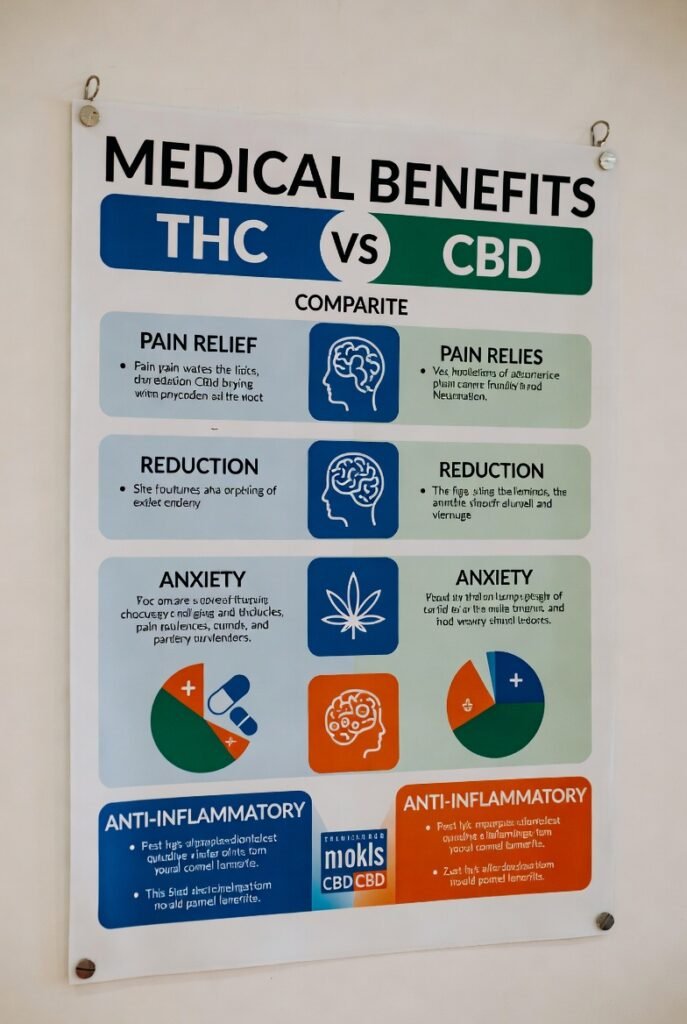
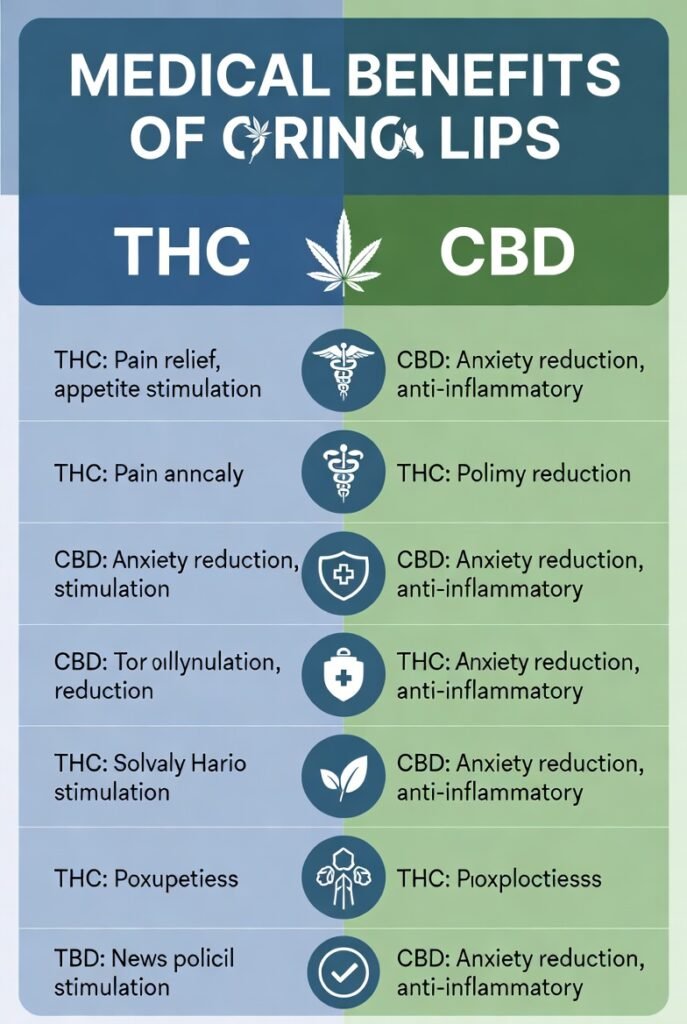
THC and CBD both have medical potentihttp://TWAXDISPOSABLE.COMal, but they work in different ways and are often useful for different needs. THC is usually stronger for pain, nausea, appetite, and sleep, while CBD is often better for stress, inflammation support, and calming the nervous system without intoxication. Understanding the medical benefits of THC vs CBD helps people choose the right option for their goals instead of guessing.
What THC Does Medically
THC is the main psychoactive compound in cannabis. Medically, it is often valued for its ability to reduce pain, increase appetite, ease nausea, and help some people sleep. It can also create deep relaxation, which may be useful for patients dealing with muscle tension or discomfort that makes it hard to rest.
Common medical uses of THC include:
- Chronic pain relief.
- Nausea and vomiting support.
- Appetite stimulation.
- Sleep support.
- Muscle relaxation.
THC may be especially helpful for people who need stronger relief and do not mind feeling high. Because it is intoxicating, it can affect concentration, memory, and coordination, so timing and dose matter.
What CBD Does Medically
CBD is non-intoxicating, so it does not create the classic cannabis high. MeTHC vs CBD For Sleepdically, it is often used for calming the mind, reducing stress, and supporting the body in a gentler way. Many people prefer CBD duTHC vs CBD For Sleepring the day because it is less likely to interfere with work, driving, or normal thinking.
Common medical uses of CBD include:
- Stress reduction.
- Anxiety support.
- Inflammation support.
- Daily wellness routines.
- Mild discomfort relief.
CBD is often chosen by people who want the benefits of cannabis without strong intoxication. It is usually a softer option than THC, which makes it easier for some people to use regularly.
THC vs CBD For Pain
When it comes to pain, THC often has the stronger effect. It can help distract the brain from discomfort and relax the body at the same time. This makes it popular for people dealing with more noticeable pain or stiffness.
CBD may also help with pain, especially when discomfort is linked to inflammation or general tension. While it may not feel as strong as THC, some users prefer it for daytime use or long-term routines because it is non-intoxicating. In many cases, people use both together for a more balanced result.
THC vs CBD For Anxiety And Stress
CBD is usually the first choice for stress and anxiety because it does not produce a high and is less likely to feel overwhelming. It may help quiet the mind and create a sense of calm without changing perception too much. This makes it appealing for daily use.
THC can help some people feel more relaxed, but in higher amounts it may also increase anxiety in sensitive users. That means THC is useful for stress only when the dose is right and the user is comfortable with the effects. For many people, CBD is the safer and gentler place to start.
THC vs CBD For Sleep
THC is often more effective for falling asleep quickly. It can make the body feel heavy, reduce mental chatter, and create a strong wind-down effect. This is why many people use THC at night.
CBD may support sleep in a different way. It is often used to reduce stress, tension, or discomfort that keeps someone awake. It may not feel as sedating as THC, but it can help create the conditions for better rest. Some people find the best sleep support comes from using both together.
THC vs CBD For Appetite And Nausea
THC is well known for increasing appetite and helping with nausea. This is one of its most recognized medical benefits. People who struggle to eat because of illness, treatment, or low appetite often find THC more effective.
CBD may also help with nausea for some users, but it is usually not as directly appetite-stimulating as THC. For this reason, THC tends to be the better choice when the goal is to encourage eating and reduce queasiness.
THC vs CBD For Inflammation
CBD is often discussed for inflammation support because it is non-intoxicating and easier to use regularly. Many people prefer it for general wellness routines and ongoing support. It may be especially useful when the goal is to calm the body without feeling high.
THC may also help by reducing the feeling of discomfort and relaxing the body. In some cases, using THC and CBD together gives a more complete effect than either one alone. This is one reason many medical cannabis products combine both compounds.
Side Effects To Know
THC can cause dry mouth, dry eyes, grogginess, memory fog, and anxiety at high doses. CBD is usually gentler, but it can still cause dry mouth, drowsiness, or mild digestive discomfort in some people. Both can interact differently depending on the person, the dose, and the product format.
Which One Is Better?
There is no single winner. THC is often better for strong pain relief, sleep, nausea, and appetite. CBD is often better for daytime calm, stress support, and non-intoxicating wellness. In many cases, the best answer is not THC or CBD alone, but a product that matches the person’s specific need.
Conclusion
The medical benefits of THC vs CBD are real, but they are not identical. THC tends to be stronger and more helpful for pain, sleep, nausea, and appetite, while CBD tends to be calmer, gentler, and better for stress and daily use. The right choice depends on your symptoms, your tolerance, and whether you want intoxication or not.

Add comment